

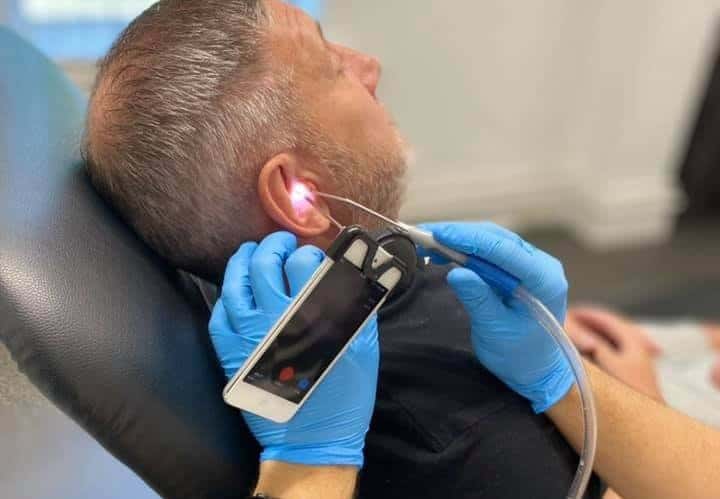
Ear wax buildup is one of the most common reasons Filipinos visit an ENT clinic. Though ear wax is normal and protective, too much can cause discomfort, muffled hearing, and even recurrent infections. Several people attempt to fix the problem at home using cotton buds or some improvised tools. But, unfortunately, these habits often make the blockage worse. Understanding how ear wax removal is carried out in the Philippines, and when it is truly necessary, helps you make pertinent choices about your ear health.
The following guide breaks down the costs, available clinics, safe techniques that doctors use, and the signs that tell you it’s time to get professional help.
Why You Shouldn’t Remove Ear Wax by Yourself
Although it is very tempting to clean your ears, doctors in the Philippines repeatedly warn that most home methods push wax deeper. Using cotton buds, hairpins, or ear candling may scratch the skin, provoke infections, or block the canal completely. Symptoms such as ear fullness or decreased hearing can worsen after self-cleaning.
Professional ear cleaning is recommended when symptoms are persistent or when discomfort starts to interfere with daily activities, specifically for people that have more wax than usual.
How Doctors Safely Remove Ear Wax
Various techniques are used by ENT specialists in the Philippines to minimize discomfort and prevent damage to the ear canal and eardrum. The most common methods include the following:
Microsuction
A small medical suction device gently suctions wax out while the doctor is viewing the canal through a microscope. It’s quick, precise, and recommended for people with sensitive ears.
Manual Curettage
Doctors use specialized tools to remove the wax carefully. It is mostly used when the buildup is firm or is present deep inside the canal.
Irrigation
It involves the controlled flow of warm water to flush out the softened wax. The procedure is gentle and highly effective for patients with soft or semi-soft buildup.
These procedures are performed under direct visualization, reducing associated risks of DIY cleaning.
How Much Ear Wax Removal Typically Costs in the Philippines
Prices depend on your location, the kind of clinic, and how complex the blockage is. Rates vary between providers, but some general ranges include:
- ₱500 to ₱800 — Basic ear cleaning in community clinics
- ₱800 to ₱1,500 — ENT clinics in cities or private hospitals
- ₱1,500 to ₱3,000+ — Specialized procedures, complicated cases, or dual-ear cleaning
The cost would be higher if the buildup is severe or if repeated visits are required. Many doctors nowadays accept appointments online; hence, their rates can be browsed and a trusted ENT can easily be found.
Where to Get Ear Wax Removal in the Philippines
You can access safe ear care in the following settings:
ENT Departments in Hospitals
Most private and public hospitals are also equipped with ENT specialists who clean ears properly. This is ideal for chronic or complicated cases.
Private ENT Clinics
These offer faster scheduling, shorter waiting times, and more personalized care. Many of them employ advanced tools such as microsuction devices.
Multi-Specialty Clinics
Most outpatient clinics have ENT services available once or several times a week.
Online Health Care Platforms
Some telehealth platforms, like Nowserving, allow you to book an appointment with licensed ENTs who can evaluate symptoms and advise whether or not an in-clinic procedure is indicated.
When You Really Need to See a Doctor
Professional help becomes necessary when symptoms appear or persist. Doctors in the Philippines recommend evaluation when you experience:
- Fullness or pressure that persists
- Difficulties hearing distinctly
- Pain or sharp discomfort
- Itchiness that won’t be relieved
- Ringing or buzzing
- Dizziness or imbalance
- History of ear infections
You should also consult a specialist if you have tried home remedies and the symptoms worsened. Children, older adults, and people who use hearing aids are more prone to wax buildup and may require routine checks.
Why Early Treatment Matters
Accumulation, if neglected, may lead to infection, swelling, temporary hearing loss, or constant discomfort. Early removal prevents complications and ensures that your ears will stay healthy. Regular check-ups help in finding other unrelated conditions, such as middle ear problems or skin diseases of the inside of your ear canal.
Maintaining Healthy Ears After Professional Cleaning
After cleaning your ears, physicians recommend the following:
- Avoid using cotton buds and sharp-edged tools
- Keeping the ears dry after bathing Using ear drops only if advised
- Scheduling checkups if you are prone to buildup
- Monitor for recurrent symptoms
Platforms like Nowserving make it easier to connect with ENT specialists nationwide, whether you’re planning a follow-up, are actually dealing with recurring wax, or simply trying to determine if your symptoms require urgent care.
