

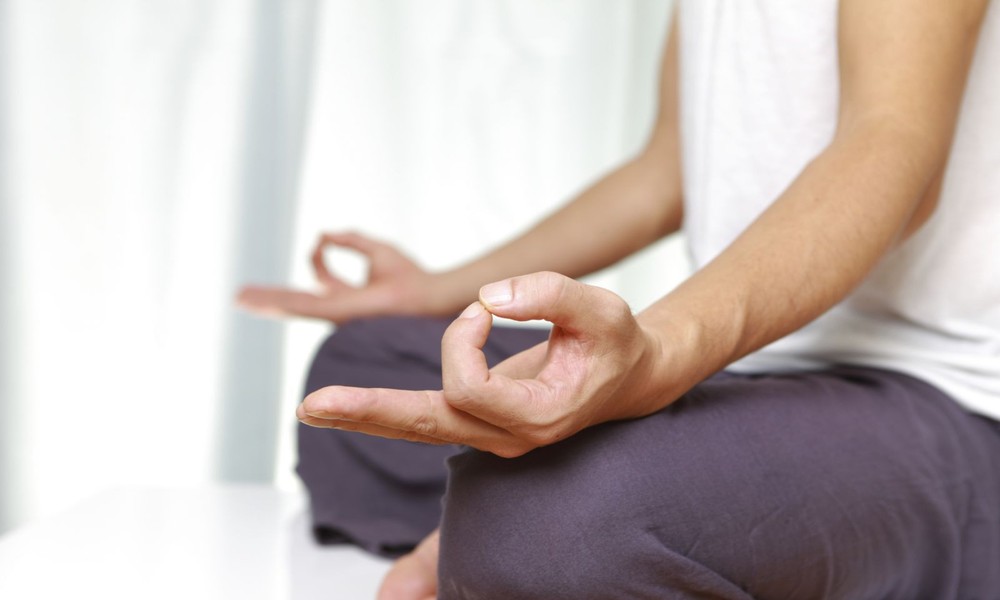
Modern lifestyles often bring emotional pressure, mental exhaustion, and constant distractions. Work responsibilities, personal challenges, financial concerns, and excessive screen time can increase feelings of stress and anxiety. Many people struggle to relax because their minds remain active throughout the day and even at night. One natural and effective method for improving emotional balance is mindfulness meditation.
Mindfulness meditation helps individuals focus on the present moment instead of becoming overwhelmed by worries about the past or future. Through breathing exercises, awareness techniques, and mental focus, mindfulness encourages calmness and emotional control.
Today, mindfulness meditation is widely practiced by people seeking healthier ways to manage stress, improve concentration, and support emotional well-being.
What Is Mindfulness Meditation?
Mindfulness meditation is a practice that focuses on present-moment awareness without judgment or emotional reaction. Instead of trying to stop thoughts completely, mindfulness teaches individuals to observe thoughts calmly and let them pass naturally.
The goal is to create greater awareness of thoughts, emotions, breathing, and physical sensations.
Mindfulness meditation often includes:
Breathing Awareness
Focusing attention on slow and controlled breathing patterns.
Body Awareness
Observing physical sensations and tension within the body.
Thought Observation
Watching thoughts without becoming emotionally attached to them.
Emotional Awareness
Recognizing emotions calmly instead of reacting impulsively.
These techniques help create mental clarity and emotional calmness.
Understanding Anxiety and Stress
Stress and anxiety are common emotional responses to challenges and pressure. While short-term stress may help people stay alert, long-term emotional tension can negatively affect mental and physical health.
Common symptoms of anxiety and stress include:
- Racing thoughts
- Difficulty concentrating
- Poor sleep
- Muscle tension
- Irritability
- Fatigue
- Restlessness
Managing emotional stress early is important for maintaining overall well-being.
How Mindfulness Meditation Helps Reduce Anxiety
Mindfulness meditation helps calm the mind by shifting attention away from constant worries and mental distractions. Instead of reacting emotionally to stressful thoughts, individuals learn to observe them more peacefully.
Benefits of mindfulness meditation may include:
- Reduced overthinking
- Improved emotional control
- Better concentration
- Increased relaxation
- Lower stress levels
- Improved emotional awareness
Regular practice may help people respond to stressful situations more calmly and thoughtfully.
Best Mindfulness Meditation Techniques
Different mindfulness methods can support relaxation and emotional balance. Beginners often start with simple techniques.
Deep Breathing Meditation
Slow breathing helps calm the nervous system and reduce physical tension.
A simple breathing method includes:
- Inhale slowly through the nose
- Hold the breath briefly
- Exhale gently through the mouth
Repeating this process may improve relaxation and focus.
Body Scan Meditation
This technique involves focusing attention on different body parts and relaxing them gradually.
Body scan meditation may help release physical tension caused by stress.
Thought Awareness Meditation
Instead of fighting thoughts, mindfulness encourages observing them calmly without judgment.
This method helps reduce emotional reactions to stressful thinking patterns.
Walking Meditation
Mindfulness can also be practiced while walking slowly and focusing on breathing, movement, and surroundings.
Many individuals practice Mindfulness Meditation regularly to improve emotional balance and reduce mental stress naturally.
The Importance of Breathing in Meditation
Breathing plays an important role in mindfulness practices. Slow and controlled breathing helps calm the nervous system and supports emotional relaxation.
Benefits of mindful breathing may include:
- Slower heart rate
- Reduced tension
- Improved focus
- Better emotional control
- Increased calmness
Simple breathing exercises are often one of the easiest ways to begin mindfulness meditation.
Creating a Calm Meditation Environment
A peaceful environment can improve concentration and relaxation during meditation.
Choose a Quiet Space
Reducing noise and distractions helps improve focus.
Sit Comfortably
Comfortable posture supports relaxation and steady breathing.
Limit Screen Distractions
Phones and digital devices may interrupt mindfulness practice.
Practice at the Same Time Daily
Regular meditation schedules may improve consistency and long-term benefits.
Use Gentle Background Sounds
Soft instrumental music or nature sounds may support relaxation.
Simple and calm environments often improve meditation experiences.
Can Mindfulness Meditation Improve Sleep?
Stress and anxiety are common causes of sleep difficulties. Mindfulness meditation may help calm racing thoughts and improve emotional relaxation before bedtime.
Benefits for sleep may include:
- Reduced nighttime anxiety
- Improved relaxation
- Better emotional calmness
- Healthier bedtime habits
- Improved sleep quality
Practicing meditation before bed may help the mind transition more peacefully into sleep.
Common Mistakes to Avoid
Certain habits may reduce the effectiveness of mindfulness meditation.
Expecting Immediate Results
Mindfulness often develops gradually through regular practice.
Trying to Stop All Thoughts
The goal is awareness, not complete mental silence.
Practicing Inconsistently
Regular practice is important for noticeable benefits.
Becoming Frustrated Easily
Meditation requires patience and gentle self-awareness.
Simple and realistic meditation habits are usually easier to maintain.
Why Emotional Awareness Matters
Emotional awareness helps people understand their reactions, behaviors, and thought patterns more clearly. Without awareness, stress and emotional pressure may feel overwhelming.
Mindfulness meditation encourages calm observation instead of emotional impulsiveness. Over time, this may improve patience, emotional balance, and mental clarity.
The benefits of reducing Anxiety become more noticeable when mindfulness practices are followed consistently as part of daily routines.
Conclusion
Mindfulness meditation provides a natural and effective way to manage anxiety and reduce stress. Through breathing exercises, awareness techniques, and emotional observation, mindfulness helps calm the mind and improve emotional balance.
Although meditation experiences vary from person to person, many individuals find that regular mindfulness practice improves concentration, relaxation, and overall well-being. By creating peaceful meditation habits and practicing consistently, it becomes easier to manage daily stress and maintain emotional calmness.
Simple mindfulness techniques combined with healthy routines may support long-term mental and emotional wellness.
FAQs
What is mindfulness meditation?
Mindfulness meditation is a practice that focuses on present-moment awareness and calm observation of thoughts and emotions.
Can mindfulness meditation reduce anxiety?
Yes, mindfulness meditation may help reduce overthinking and improve emotional relaxation.
How long should I meditate daily?
Many people begin with 10 to 20 minutes daily, though shorter sessions may also help.
Is mindfulness meditation suitable for beginners?
Yes, mindfulness meditation is simple and beginner-friendly.
Can meditation improve sleep quality?
Meditation may help calm the mind before bedtime and support better sleep habits.
Do I need complete silence for mindfulness meditation?
No, a calm and comfortable environment is helpful, but complete silence is not always necessary.
