

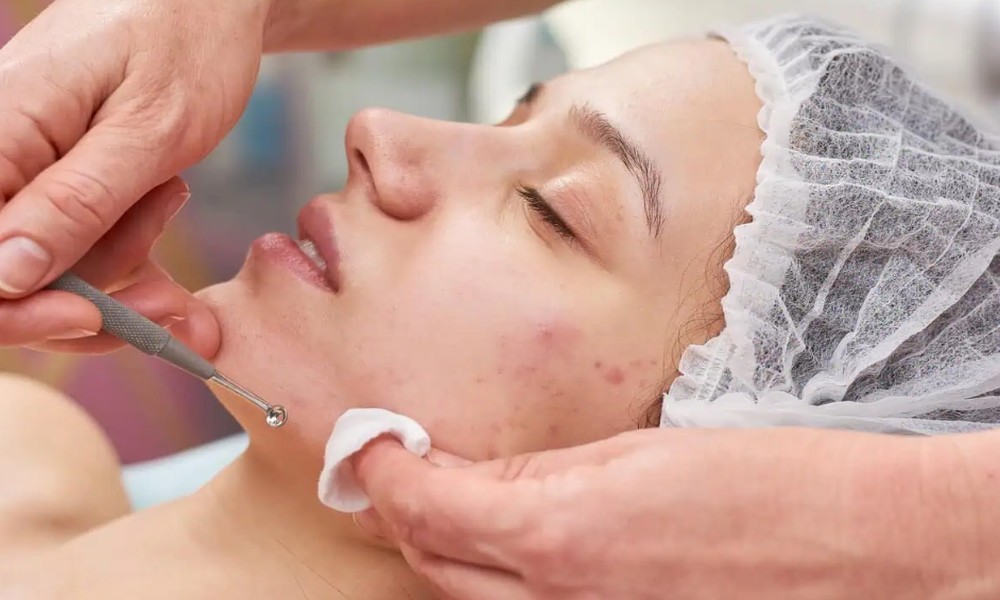
Acne has a particular talent for outlasting everything thrown at it. The routine gets overhauled repeatedly. The diet gets cleaned up. Products arrive with compelling reviews and leave with disappointing results. For many people, this cycle runs for years – sometimes well into adulthood – with only partial improvement between relapses. What rarely gets examined honestly is why. The answer is rarely insufficient effort or the wrong cleanser. It is that most available approaches address the visible consequence of acne rather than the biological sequence producing it. Active acne treatments working at a clinical level interrupt that sequence directly, and understanding where they intervene explains why they succeed where years of diligent self-treatment simply have not.
The Plateau Has a Specific Cause
Salicylic acid, benzoyl peroxide, and niacinamide are not ineffective ingredients – they carry real mechanisms and genuine evidence. Salicylic acid exfoliates inside the follicular canal. Benzoyl peroxide creates an environment hostile to anaerobic bacteria, driving inflammation. Niacinamide reduces sebaceous activity at the surface level. The problem is the concentration ceiling consumer products operate within and the tissue depth those concentrations realistically reach. Follicular congestion sitting below the surface, sebaceous glands responding to androgen signals, and established inflammatory cascades in the mid-dermis are not meaningfully addressed by ingredients that attenuate before reaching them. The plateau is not product failure – it is a physics problem that stronger versions of the same approach cannot overcome, regardless of consistency.
Why the Bacteria Is Not the Problem
Cutibacterium acnes does not cause inflammatory acne independently – this is the insight that reframes how persistent acne makes sense. It requires a specific environment – anaerobic, lipid-rich, enclosed – to proliferate to the point where the immune system mounts the response producing a visible lesion. That environment is a blocked follicle filled with excess sebum. The bacteria are opportunistic. Sebaceous overactivity and follicular occlusion are the actual drivers operating beneath the surface. Treating bacteria without addressing sebum leaves the environment available for recolonisation within weeks. Clearing surface congestion without reducing sebaceous activity means new congestion forms continuously. Active acne treatments producing lasting results target all three components of this cycle simultaneously rather than rotating through each one separately over time.
What Photodynamic Therapy Does
Photodynamic therapy is frequently misunderstood as simply a light treatment targeting acne bacteria. It is considerably more specific than that framing suggests in practice. A photosensitising agent applied beforehand concentrates selectively in sebaceous glands – the lipid-producing structures creating the environment acne depends upon entirely. When activating light is delivered, the reaction occurs predominantly within those glands, producing sebaceous reduction that persists for months following a properly delivered course. This is a structural modification of the tissue producing conditions that make persistent acne possible – not bacterial suppression. The distinction explains why patients cycling through antibiotics and topical protocols for years see genuinely different outcomes from this approach, because it addresses a component of the acne cycle that antibiotics never reach.
Clinical Peels Reach Where Products Cannot
Salicylic acid at clinical concentrations behaves fundamentally differently from the same ingredient in a consumer cleanser. At therapeutic strength, delivered under controlled conditions, it penetrates the follicular canal and dissolves keratin plugs forming comedones at their actual source rather than exfoliating the skin surface sitting above them. Mandelic acid peels carry antimicrobial activity alongside keratolytic action, reducing bacterial load while normalising the cellular turnover pattern inside the follicle lining that predisposes certain skin types to chronic congestion. Active acne treatments incorporating appropriately sequenced clinical peels clear established comedonal congestion that topical maintenance would take months to address – reaching the actual site of formation rather than the surface presentation above it.
Hormonal Acne Is a Different Condition
Acne clustering along the jawline and lower cheeks, worsening predictably before menstruation, is not primarily a skincare problem, wearing a skincare presentation. Androgens drive sebaceous activity, and when androgen sensitivity is elevated – through PCOS, perimenopause, or individual receptor sensitivity – no topical protocol addresses the underlying driver producing breakouts. Clinical assessment identifying hormonal involvement opens pathways to interventions reducing androgen influence on sebaceous glands directly and specifically. Applying topical treatments to hormonally driven acne exclusively manages a symptom while its cause continues operating beneath the surface, completely undisturbed by everything applied above it.
Conclusion
Persistent acne is almost always being treated at the wrong level rather than with insufficient effort or commitment. Active acne treatments operating through clinical mechanisms – photodynamic therapy, targeted chemical peels, and hormonally informed protocols – address sebaceous activity, follicular occlusion, and inflammatory cascades directly. The biological causes of persistent acne are specific, identifiable, and respond precisely to the right intervention. When the correct level is finally reached, clearance stops being an optimistic hope and becomes a genuinely predictable outcome.
