

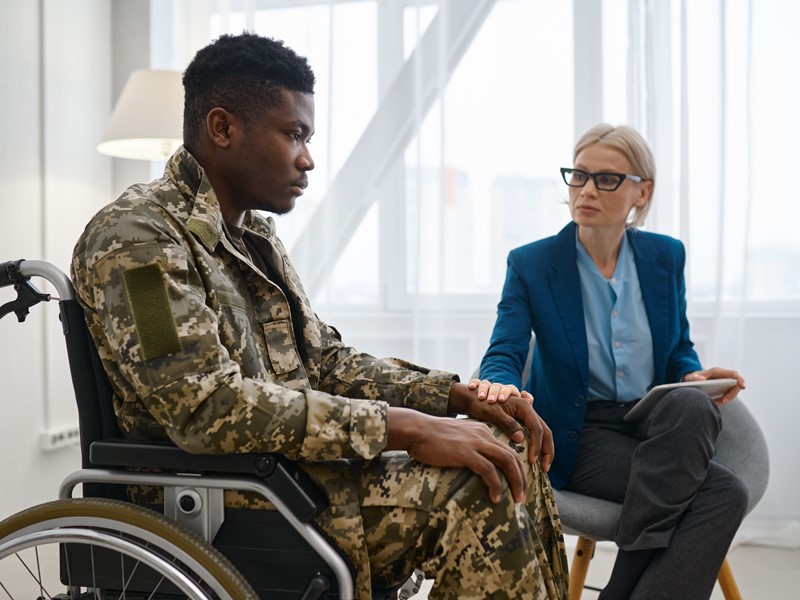
Post-Traumatic Stress Disorder (PTSD) affects countless veterans who have returned from service carrying the emotional weight of combat, loss, and prolonged stress. PTSD Recovery for Veterans is not about forgetting the past—it’s about learning to live with it, reclaim identity, and find strength in resilience. Today, a range of trauma-informed approaches, peer-led programs, and specialized support systems are helping veterans heal and rebuild their lives.
Understanding PTSD in Veterans
PTSD in military veterans often stems from exposure to combat, witnessing violence, losing comrades, or living under constant threat. Symptoms can include:
- Flashbacks and nightmares
- Irritability or anger
- Emotional numbness or detachment
- Hypervigilance and difficulty sleeping
- Avoidance of reminders related to trauma
The intensity and persistence of these symptoms can severely disrupt personal relationships, career stability, and overall quality of life.
Trauma-Informed Life Coaching
One emerging resource for veterans is trauma-informed life coaching, a non-clinical but structured support system focused on:
- Creating a safe space for processing trauma
- Setting meaningful goals for the future
- Developing resilience-based habits
- Rebuilding trust and interpersonal skills
Unlike traditional therapy, life coaching empowers veterans to take action and reclaim control while being guided by someone trained to understand trauma’s impact on the nervous system and behavior.
Veteran Trauma Retreats
Many veterans find strength and solace in trauma-focused retreats that combine healing activities with peer connection. These retreats often feature:
- Nature-based therapies and mindfulness exercises
- Group sharing circles with fellow veterans
- PTSD-specific workshops and emotional regulation tools
- Activities like art therapy, journaling, or equine therapy
Such retreats offer a powerful environment for transformation—removing veterans from daily stressors and immersing them in a community that understands their journey.
Clinical Support and Evidence-Based Therapy
While peer support and coaching are powerful, professional mental health treatment remains a core pillar of recovery. Evidence-based therapies for PTSD in veterans include:
Cognitive Processing Therapy (CPT) – helps challenge and modify unhelpful beliefs
Prolonged Exposure Therapy (PE) – supports veterans in gradually facing and reducing trauma-related fears
EMDR (Eye Movement Desensitization and Reprocessing) – uses guided eye movements to process traumatic memories
Group therapy – builds camaraderie and shared healing among veterans
These interventions are often available through the Department of Veterans Affairs (VA) or community-based veteran support programs.
Rebuilding Purpose and Identity
One of the most profound aspects of PTSD recovery is rediscovering a sense of purpose. This may involve:
- Pursuing new education or careers
- Reconnecting with family and building stronger relationships
- Volunteering or mentoring other veterans
- Exploring spiritual or creative outlets
Recovery is not linear, and there is no “one-size-fits-all” solution. But with the right combination of support—clinical care, peer connection, coaching, and self-reflection—veterans can and do find lasting healing.
Conclusion
PTSD recovery for veterans requires compassion, commitment, and a multifaceted support system. Whether through therapy, retreats, trauma-informed coaching, or peer mentoring, each step forward is a testament to resilience. The path may be long, but veterans do not have to walk it alone—healing is not only possible, it is happening every day.
