

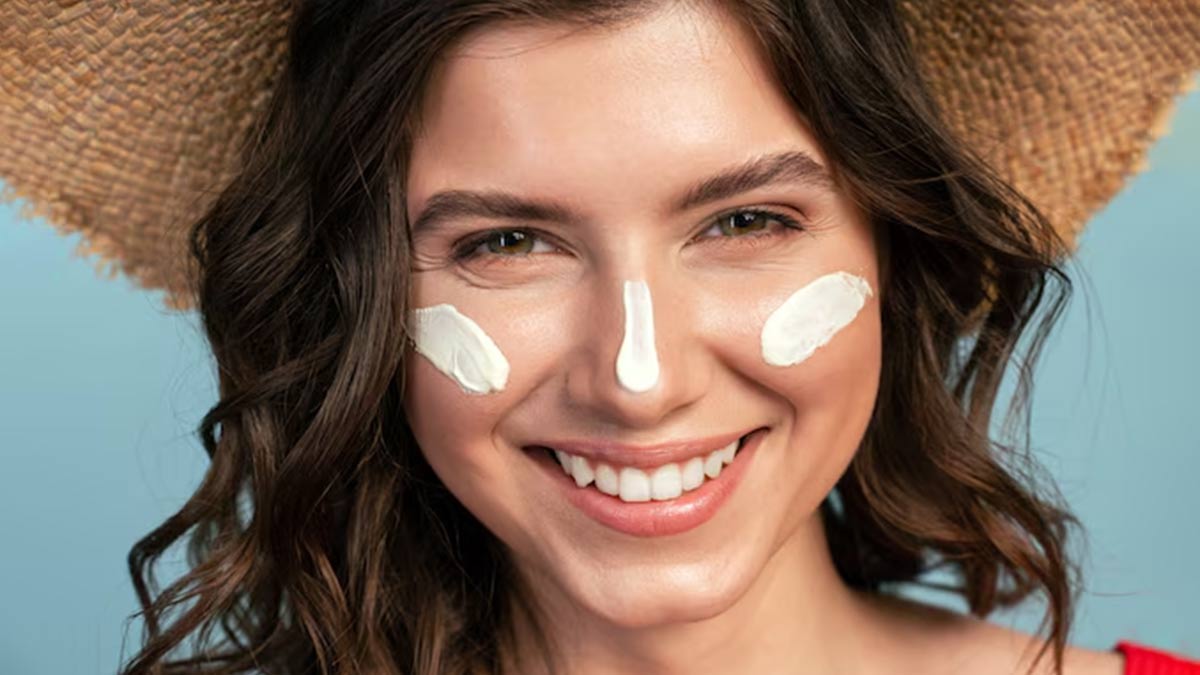

Many people think acne appears only during teenage years, but in reality it can affect people at almost any stage of life. Busy schedules, environmental pollution, stress, and even small daily habits can influence how the skin behaves. Sometimes the problem is not a lack of skincare products, but small routine choices that quietly trigger breakouts over time. When skin is prone to acne, even simple habits like touching the face frequently or skipping proper cleansing can make the situation worse. This is why many individuals start paying closer attention to both skincare routines and treatment options. When learning about possible skincare treatments, it is common for individuals to review red light therapy before and after photos/results to see how the therapy may influence skin clarity. However, before considering professional treatments, improving daily habits can already make a noticeable difference in controlling acne. Healthy skin is usually the result of consistent, thoughtful routines rather than quick fixes. By adjusting a few everyday behaviors, it becomes easier to manage breakouts and support long-term skin balance.
Key Takeaways
- Daily habits strongly influence acne-prone skin.
- Gentle cleansing and proper hygiene help reduce breakouts.
- Diet, hydration, and stress management affect skin health.
- Avoiding pore-clogging products can prevent irritation.
- Consistent routines often work better than sudden skincare changes.
Keep Your Skin Clean, But Not Over-Cleansed
Cleansing is one of the most important steps for acne-prone skin. Throughout the day, the skin collects oil, sweat, dirt, and pollution. If these impurities remain on the surface for too long, they can clog pores and trigger breakouts. However, excessive washing can create another problem. When the skin is cleansed too frequently or with harsh products, it may become dry and irritated. In response, the skin often produces even more oil, which can worsen acne. A balanced routine works best. Washing the face twice a day with a gentle cleanser usually helps maintain clean pores without disrupting the skin’s natural barrier.
Pay Attention to What Touches Your Face
Many people unknowingly transfer bacteria to their skin during the day. Touching the face with unwashed hands, resting the chin on the palm, or frequently adjusting glasses can introduce dirt and oil to the skin. Even everyday objects can contribute to acne. Mobile phones, pillowcases, and makeup brushes can collect bacteria if they are not cleaned regularly. When these items come into contact with the face, they may trigger irritation or clogged pores. Simple habits like washing pillowcases often, disinfecting phone screens, and cleaning makeup tools can help reduce the risk of breakouts.
Choose Skincare Products Carefully
Not all skincare products are suitable for acne-prone skin. Heavy creams, oily formulas, and certain cosmetic ingredients can block pores and increase the chances of breakouts. Products labeled as non-comedogenic are often better options because they are designed to avoid clogging pores while still providing hydration and nourishment. Another helpful habit is introducing new products slowly. Applying too many new products at once makes it difficult to identify what might be causing irritation or breakouts.
Support Your Skin through Diet and Hydration
What you eat and drink can also influence skin health. Diets high in sugary foods, processed snacks, and greasy meals may contribute to inflammation in the body, which sometimes shows up on the skin. Adding more whole foods to daily meals can support healthier skin. Fruits, vegetables, nuts, and foods rich in omega-3 fatty acids help nourish the body and may reduce inflammation. Staying well hydrated also supports the skin’s natural detoxification processes. Drinking enough water helps maintain skin elasticity and keeps the complexion looking fresh.
Manage Stress for Better Skin Balance
Stress is often overlooked when discussing acne triggers. When the body experiences stress, hormone levels may shift. These hormonal changes can increase oil production in the skin and lead to breakouts. Simple stress-management habits can support overall skin health. Activities such as regular exercise, meditation, or even short breaks during the day can help the body relax and maintain balance. Getting enough sleep is equally important because during sleep the body repairs and renews skin cells, which helps maintain a healthier complexion.
Red Light Therapy and Acne-Prone Skin
In addition to improving daily habits, some people explore supportive treatments that promote skin recovery. One option that has gained attention in recent years is RED light therapy. This treatment uses gentle wavelengths of light that penetrate the skin and stimulate cellular activity. The process may help calm inflammation and encourage the skin’s natural healing response. For individuals with acne-prone skin, this type of therapy is often considered as a complementary approach alongside consistent skincare routines. While results can vary from person to person, many people find that combining professional treatments with healthy daily habits provides more balanced and long-lasting improvements.
Final Thoughts
Managing acne-prone skin often requires patience and consistency. Instead of relying only on quick treatments, focusing on daily habits can create a strong foundation for healthier skin. Small changes such as maintaining proper hygiene, choosing the right skincare products, staying hydrated, and managing stress can gradually reduce breakouts. Over time, these habits support a more balanced skin environment and help prevent recurring acne. When combined with professional guidance and thoughtful skincare choices, these everyday practices can make a meaningful difference in maintaining clearer, more comfortable skin.
