

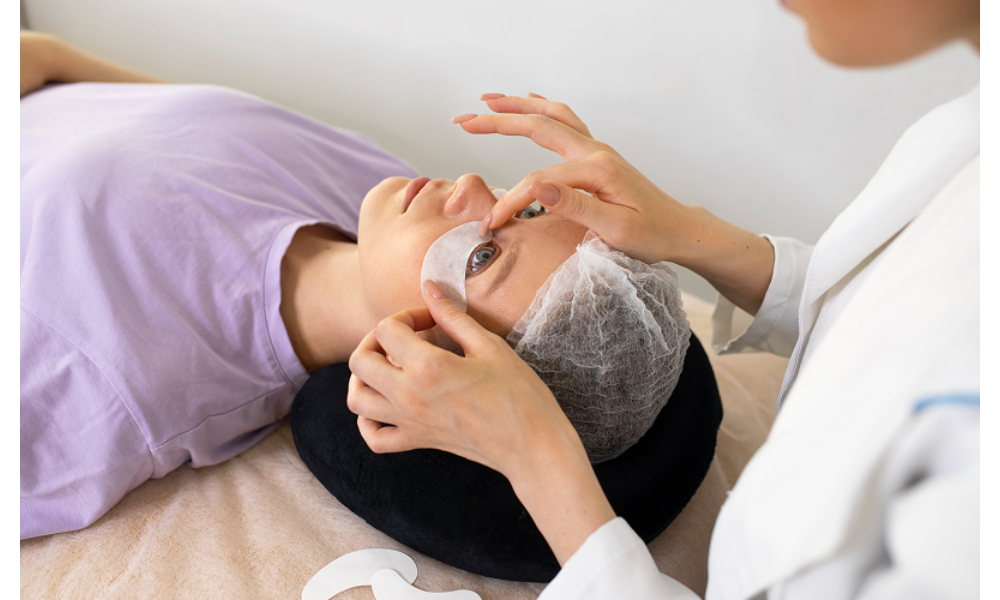
Dark circles are a common concern that can affect both confidence and appearance, and while concealers and skincare may provide temporary relief, they often fail to address the root causes. Factors such as pigmentation, volume loss, and poor circulation contribute to the issue, which is why many turn to dark eye circle removal treatments at medical aesthetic clinics in Singapore. By exploring options that range from non-invasive methods to targeted clinical procedures, individuals can find solutions that restore a refreshed and youthful look tailored to their needs.
Common Causes of Dark Circles
Dark circles often result from multiple factors rather than a single cause. Genetics play a major role, as some people naturally inherit thinner skin under the eyes, which makes blood vessels more visible, giving the area a darker shade. Ageing also contributes, as skin loses elasticity and fat around the eyes, leading to hollowness and shadows.
Lifestyle factors such as lack of sleep, prolonged screen time, and stress can worsen the problem. Poor circulation and dehydration may make the under-eye area look puffy and dull. Allergies, sinus issues, or excessive eye rubbing can also lead to pigmentation changes. Understanding these causes is essential, as it determines the most effective treatment for long-term results.
Non-Invasive Treatment Options
For individuals with mild dark circles, non-invasive treatments may be suitable. These typically involve topical creams containing retinol, vitamin C, or peptides to improve collagen production and skin texture. Laser treatments offered at medical aesthetic clinics can also target pigmentation and stimulate skin renewal.
Chemical peels are another option, helping to lighten discolouration and improve overall skin tone. Patients who prefer non-invasive solutions may consider these methods, as they require minimal recovery time. However, results may take longer to appear, and consistency is key for visible improvements.
Injectable Treatments for Under-Eye Hollows
When dark circles are caused by volume loss or hollowness, injectable treatments are often recommended. Dermal fillers, for example, are used to restore lost volume and smooth the transition between the lower eyelid and cheek. This reduces the shadowing effect that makes circles appear more pronounced.
Another option is platelet-rich plasma (PRP) injections, which use the body’s natural healing properties to rejuvenate the under-eye area. These treatments are generally performed in medical aesthetic clinics and may provide longer-lasting results compared to topical solutions. Patients considering injectables should always consult qualified doctors to ensure suitability and safety.
Advanced Procedures for Stubborn Dark Circles
More severe cases may require advanced treatments. Laser resurfacing and radiofrequency therapy can tighten the skin and stimulate collagen production, improving texture and tone. These procedures can also target pigmentation and fine lines that often accompany dark circles.
Surgical procedures, such as lower eyelid surgery, may be considered if structural issues, such as fat deposits or sagging skin, cause the dark circles. While this option is more invasive, it may provide longer-term results for patients with persistent concerns. Clinics such as Veritas Medical Aesthetics offer access to a range of these treatments, enabling patients to choose an approach that matches both their goals and recovery preferences.
Lifestyle Habits That Support Long-Term Results
While treatments at medical aesthetic clinics provide effective solutions for dark eye circle removal, long-term results also depend on personal lifestyle habits. Poor sleep, dehydration, smoking, and high stress can worsen the condition over time, making it crucial to pair professional treatments with healthier routines. Getting adequate rest, staying hydrated, and eating a nutrient-rich diet help improve circulation and skin quality around the eyes.
Consistent skincare practices can further enhance and maintain treatment results. Applying sunscreen daily prevents pigmentation from deepening, while eye creams with hydrating or brightening ingredients support overall skin health. When combined with medical procedures, these simple habits create a more sustainable approach to reducing dark eye circles and keeping the eye area refreshed.
Conclusion
Dark eye circle removal is not a one-size-fits-all solution. The proper treatment depends on identifying whether the root cause is pigmentation, hollowness, or lifestyle-related. Options range from non-invasive skincare treatments to advanced clinical procedures performed at medical aesthetic clinics in Singapore. By seeking professional advice and understanding the available options, individuals can make informed decisions about managing this common concern.
Contact Veritas Medical Aesthetics to explore safe and effective dark eye circle removal options today.
