

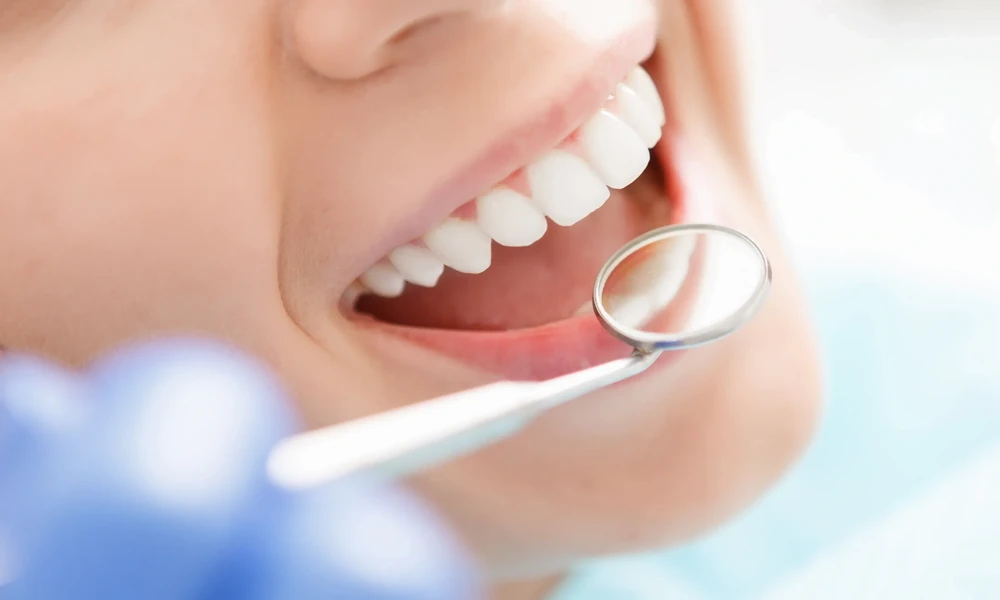
You might be ready for a dental implant and still hear that you need more treatment first. That can feel frustrating, especially if you were hoping to replace a tooth and move on. A missing tooth already affects how you eat, smile, and speak. Hearing that your gums, bone, or bite need work before implant surgery can sound like a delay. In many cases, periodontist services Albuquerque is the step that makes the implant last.
How periodontists prepare the mouth for predictable dental implant placement comes down to one goal. They create a healthy, stable foundation so the implant has the best chance to heal, bond with bone, and function like a natural tooth. That usually means checking gum health, controlling infection, measuring bone, studying the bite, and correcting problems that raise the risk of failure.
Healthy gums and bone make dental implant placement more predictable
A dental implant does not just fill a space. It becomes part of your jaw through a healing process called osseointegration. If the gums are inflamed, if there is active periodontal disease, or if bone has thinned after tooth loss, the implant faces a harder start. That is why a periodontist and implant dentist looks beyond the empty space itself.
Gum disease is one of the first issues they check for. Swollen gums, bleeding when brushing, bad breath, gum recession, and loose teeth can all point to infection around the supporting tissues of the teeth. The National Institute of Dental and Craniofacial Research explains how gum disease can damage the gums and bone that support teeth. If that damage is active, placing an implant too soon can put the result at risk.
You may have lost a tooth years ago and assumed the site had “healed.” The gum may look closed, but the underlying bone may have shrunk. That happens often. The jawbone needs stimulation from a tooth root. Without it, the body starts to resorb bone in that area. A periodontist measures this loss with exams, probing, and imaging, often with 3D scans that show width, height, and nearby anatomy.
Periodontal treatment often comes before implant surgery
If gum infection is present, treatment usually starts there. That may include a deep cleaning, home care changes, antimicrobial therapy, or periodontal surgery in more advanced cases. This is not busywork. Inflamed tissue bleeds more, heals less predictably, and can harbor bacteria that interfere with implant success.
Research continues to support careful planning and tissue management before implant placement. One review in the medical literature discusses how pre surgical evaluation, local anatomy, and soft tissue conditions shape outcomes in modern implant treatment planning. Another publication looks at the biologic and clinical factors linked to successful implant integration and long term stability. The pattern is consistent. Better foundations lead to more predictable results.
Sometimes the issue is not infection but the amount or quality of tissue. Thin gums can recede and expose metal or create an uneven smile line. Limited keratinized tissue can make cleaning less comfortable. Bone defects can leave too little support for the implant body. In those cases, your periodontist may recommend bone grafting, sinus augmentation, or gum grafting before the implant is placed, or at the same time if the site allows it.
This is where people often worry about cost and time. That concern is real. Preparatory treatment adds appointments and expense. It also lowers the chance of bigger problems later, such as implant failure, bone loss around the implant, esthetic issues, or the need for removal and retreatment.
Careful mouth preparation reduces common implant risks
A predictable result is not luck. It is planning. Your periodontist checks whether you grind your teeth, smoke, have uncontrolled diabetes, take medications that affect healing, or have a bite pattern that overloads the future implant. Even a well placed implant can struggle if the forces on it are too high or if plaque control is poor.
You may be thinking, what if the tooth has been missing for a long time and the neighboring teeth have shifted? That matters too. The space may need to be reopened, the bite may need adjustment, or the final crown may need careful design so the implant can be cleaned and loaded properly.
| Preparation Step | What the Periodontist Looks For | Why It Matters for Predictable Implants |
|---|---|---|
| Gum evaluation | Bleeding, pockets, recession, inflammation | Active disease raises the risk of infection and bone loss |
| 3D imaging and bone analysis | Bone width, height, density, nerve and sinus position | Helps place the implant in a stable, safe position |
| Soft tissue assessment | Gum thickness and amount of attached tissue | Supports healing, comfort, and esthetic results |
| Bite and habit review | Grinding, clenching, uneven force | Reduces overload that can damage the implant or crown |
| Medical risk review | Smoking, diabetes, medications, healing history | Improves timing, healing strategy, and long term success |
Implant site preparation gives you clearer next steps
Get a full periodontal and implant exam. A simple consultation is not enough if the goal is a lasting result. Ask for a gum evaluation, imaging, and a clear review of bone, tissue, and bite conditions. This is the starting point for dental implant preparation that makes sense for your mouth, not someone else’s.
Treat disease before replacing the tooth. If your gums bleed, if you have deep pockets, or if old dental work traps plaque, deal with that first. Replacing a missing tooth without controlling infection is like building on wet ground. The structure may stand for a while, then fail where you cannot see the problem early enough.
Ask what supports long term maintenance. The implant procedure is one day. Keeping it healthy is the real project. Ask how often you should return, what cleaning tools work best, whether a night guard is needed, and what signs of trouble should bring you back sooner.
Strong preparation gives implant treatment a better chance to last
If you have been told you need gum treatment or grafting before an implant, that does not mean you are a bad candidate. It usually means your periodontist is trying to give the implant a fair chance. Healthy tissue, enough bone, a stable bite, and good daily care are what make periodontist and implant dentist treatment more predictable from the start.
You do not need to guess your way through this process. Get a careful evaluation, ask why each step is being recommended, and move forward with a plan built for healing, function, and long term stability.
