

Your pet is already uneasy, and the thought of getting blood drawn or a urine sample collected at a clinic may feel like one more thing to manage. Some pets shut down in the car, some fight the exam room, and some are simply too fragile for the extra stress. That is usually the moment people start looking into How Mobile Vets Collect Blood, Urine, And Skin Samples At Home, because they want answers without putting their animal through a harder day than necessary. Many families turn to a Houston mobile veterinarian for that kind of support at home.
A house call does not mean lower standards. A mobile veterinarian can collect many of the same diagnostic samples your pet would have at a clinic, including blood, urine, and skin samples, while your pet stays in a familiar space. The process is often calmer, and that calm matters because stress can affect handling, comfort, and sometimes even test results.
At home sample collection by a mobile veterinarian is often calmer and still medically sound
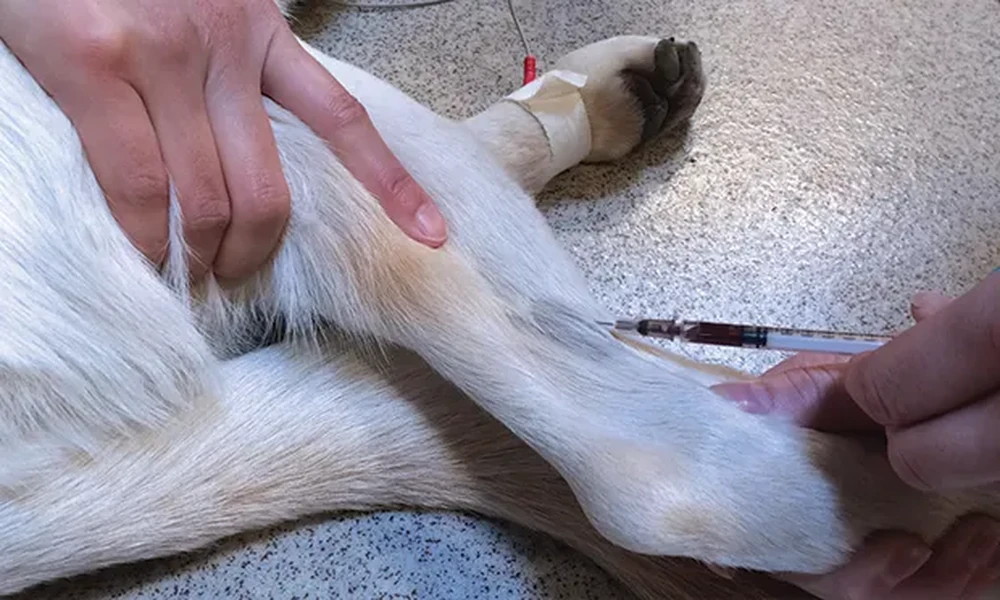
Most sample collection starts the same way, whether it happens in a hospital or your living room. The veterinarian first examines your pet, decides which tests are needed, and chooses the safest way to collect each sample. With blood, that usually means clipping a small patch of fur if needed, cleaning the skin, and drawing from a vein in the leg or neck. The actual draw is often quick. The hard part is usually restraint, and many pets tolerate that better at home because they are not reacting to unfamiliar smells, barking dogs, or a slick exam table.
Urine collection depends on the reason for testing. If the vet only needs a basic screening sample, they may collect a fresh voided sample while your pet urinates naturally. If they need a cleaner sample to check for infection, crystals, or more precise sediment findings, they may recommend cystocentesis, which means drawing urine directly from the bladder with a needle. That sounds harsh when you first hear it, but in practiced hands it is routine and often very well tolerated. Texas A&M outlines urinalysis best practices for sample collection and submission, and those same handling rules matter in home visits too.
Skin samples are usually the least invasive, though they can still make owners nervous when they see a blade or tape slide come out. A mobile veterinarian may do a skin scrape, tape prep, impression smear, or pluck a few hairs, depending on whether they suspect mites, yeast, bacteria, allergies, or ringworm. These tests help separate problems that look similar on the surface. A red itchy patch might be fleas, yeast, infection, or mange, and treatment changes completely depending on the cause.
Home pet lab sample collection helps when travel makes symptoms worse
You may already know your pet does poorly in the car. Cats panting in carriers, senior dogs slipping on clinic floors, anxious pets trembling before anyone even touches them, this is common. In some cases, the trip itself changes what the vet sees. A stressed cat may have a higher blood glucose reading. A dog with arthritis may seem more painful after getting in and out of the vehicle. A pet with urinary trouble may empty their bladder before arrival, leaving no sample to test.
That is one reason home pet lab sample collection can be so useful. The setting gives the veterinarian a more normal picture of your pet’s behavior and comfort. Cornell’s guidance on samples for urinalysis also reflects a basic truth owners run into fast, fresh samples and proper handling matter. If a sample sits too long, gets contaminated, or warms up too much, the lab picture can change.
There are limits. A mobile veterinarian may not be able to perform every test on site, and some pets still need a clinic or hospital if they are unstable, need sedation, or require imaging and urgent treatment. If your dog is collapsing, blocked, actively bleeding, or struggling to breathe, home diagnostics are not the right first step. The value of mobile care is in the many situations that are urgent to you but not full emergencies, skin disease, routine illness workups, rechecks, senior monitoring, and quality of life care.
Mobile veterinary services and home diagnostics work best when preparation is simple
Good sample collection at home depends on timing, handling, and a little planning. Missouri’s veterinary diagnostic lab shares sample collection guidance for clinical pathology that mirrors what vets consider in the field, including proper tubes, prompt processing, and clean collection methods. The University of Georgia also provides sample collection and submission recommendations that reinforce the same point. Reliable results depend on technique as much as the test itself.
| Sample Type | Common At Home Method | What Owners Can Do | Main Limitation |
|---|---|---|---|
| Blood | Venipuncture from leg or neck | Keep pet calm, have treats ready, hold off on breakfast if fasting was requested | Some pets still need extra restraint or clinic support |
| Urine | Free catch or cystocentesis | Do not let the sample sit, tell the vet when your pet last urinated | Free catch samples are more easily contaminated |
| Skin | Scrape, tape prep, swab, hair pluck | Avoid bathing or applying creams right before the visit unless told otherwise | Some lesions need biopsy or culture at a clinic |
Three steps make at home veterinary sample collection smoother
1. Ask what the vet needs before the visit. Some tests require fasting. Some urine checks are better with the first morning sample. If your pet is on antibiotics, steroids, ear drops, or medicated shampoos, mention that early because those can change findings.
2. Set up one quiet area. Choose a room with decent light and enough floor space. Put away other pets, loud toys, and food bowls. If your pet has a favorite bed or blanket, keep it nearby. Familiar objects help more than people expect.
3. Write down what changed and when. Itching for two weeks, drinking more water, straining to urinate last night, licking paws after walks, these details guide which samples matter most. Owners often remember the pattern once they start writing, and that can save time and cost.
Mobile veterinarian visits can bring clarity without adding more stress
If your pet needs answers and the clinic trip feels like half the battle, a mobile veterinarian may be the right next step. Blood, urine, and skin samples can often be collected safely and effectively at home, with less fear for your pet and less strain on you. That does not erase every limit, but it gives many families a practical way to move forward instead of waiting and worrying.
You do not have to guess your way through symptoms or force a difficult trip just to start the diagnostic process. Reach out to a mobile veterinarian and ask whether at home sample collection fits your pet’s condition.
