

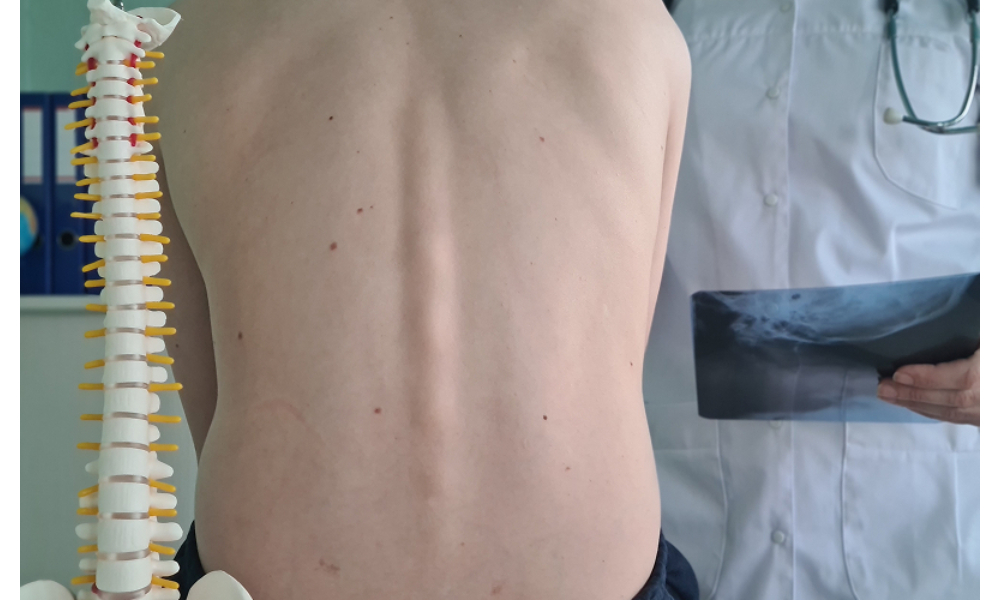
Managing scoliosis in Singapore involves more than diagnosis and observation. Patients experience discomfort, fatigue, or mobility issues. Consulting a chiropractor in Singapore provides relief and support through practical and individualised care. Chiropractic care focuses on improving spinal alignment, mobility, and muscular function, helping individuals continue their daily routines with less pain and tension.
Understanding Scoliosis in Singapore
Scoliosis presents as an abnormal sideways curve in the spine. It often develops during adolescence but can appear at any age due to injury, neuromuscular conditions, or degenerative changes. In Singapore, cases range from mild to severe, with some requiring medical attention to avoid progression.
Many residents discover scoliosis during school screenings or health checks. The curve typically forms in an “S” or “C” shape, affecting shoulders, hips, and posture. Without proper management, scoliosis may lead to chronic back pain, fatigue, breathing difficulties, or uneven gait. Early detection provides a positive outcome. Individuals experiencing persistent back discomfort or visible postural changes should consider a professional assessment.
Traditional approaches involve bracing or surgical options for progressive curves. Mild cases often go unmanaged, although symptoms persist. Chiropractic care bridges this gap by offering hands-on support for improving function and reducing discomfort without medication or surgery.
How Chiropractic Care Supports Scoliosis Management
Chiropractors focus on the musculoskeletal system, especially the spine. For scoliosis, the primary goal includes improving mobility, reducing tension, and supporting spinal alignment. A chiropractor in Singapore performs detailed assessments to identify how scoliosis affects joint motion, muscular strength, and daily function.
Chiropractic techniques include spinal adjustments, mobilisation, soft tissue work, and rehabilitative exercises. These methods help relieve strain, improve posture, and stabilise the spine. The approach avoids invasive procedures and allows patients to participate in care actively.
Individualised care matters. A chiropractor tailors each session based on the severity and impact of scoliosis. Some experience stiffness; others struggle with nerve irritation or reduced flexibility. Regular chiropractic support helps reduce secondary issues caused by compensatory movement patterns. It also aids in developing body awareness to maintain posture and prevent worsening of the curvature.
Chiropractors may also work alongside other professionals. In complex scoliosis cases, co-management with medical doctors or physical therapists ensures proper monitoring and overall care. Chiropractic care fits into broader treatment goals, focusing on conservative, movement-based recovery.
What to Expect During Chiropractic Sessions
A scoliosis consultation with a chiropractor in Singapore starts with a full postural analysis, spine evaluation, and health history review. The chiropractor may perform specific movement tests or order imaging to confirm the degree and type of curvature. This information forms the basis of a care plan suited to the individual’s needs.
Treatment sessions involve spinal adjustments to improve joint motion, ease muscle tightness, and correct alignment patterns. Soft tissue techniques reduce spasms and encourage flexibility. Chiropractors also introduce corrective exercises to strengthen core muscles, stabilise posture, and maintain spinal balance.
Unlike general back pain treatment, scoliosis care demands consistency. Chiropractors monitor progress across several weeks or months. Adjustments remain gentle, especially for younger or more sensitive patients. Each session supports gradual improvement rather than drastic change.
Lifestyle advice also forms part of chiropractic support. A chiropractor may suggest ergonomic adjustments for workspaces, sleep posture improvements, or physical activity routines. Supporting the spine outside of sessions enhances results and reinforces good habits.
Long-Term Benefits of Chiropractic for Scoliosis in Singapore
Chiropractic care does not claim to reverse scoliosis. Instead, it supports comfort, posture, and quality of life. Individuals living with scoliosis in Singapore can manage pain better, maintain flexibility, and avoid functional decline with consistent care. This becomes valuable for those unwilling or ineligible for surgical correction.
Adolescents benefit from early chiropractic intervention as their spines continue developing. Adults experience relief from long-standing postural imbalance and related muscular fatigue. Many feel less discomfort while sitting, walking, or exercising. Regular monitoring also helps detect worsening symptoms early.
Choosing a chiropractor in Singapore with experience in scoliosis ensures accurate assessment and tailored care. Scoliosis varies between individuals. A hands-on provider offering precise adjustments and long-term guidance helps patients build confidence in managing their condition.
Conclusion: Supporting Scoliosis Without Surgery
Scoliosis affects comfort, mobility, and daily confidence. Ignoring mild symptoms may lead to long-term complications. While severe cases may require specialist intervention, chiropractic care offers practical support for individuals living with mild to moderate scoliosis in Singapore. It provides a structured, non-invasive path to spinal function and overall well-being.
Looking for practical, non-invasive support for scoliosis in Singapore? Reach out to TRUE Chiropractic and start managing scoliosis with expert care from a trusted chiropractor in Singapore.
