

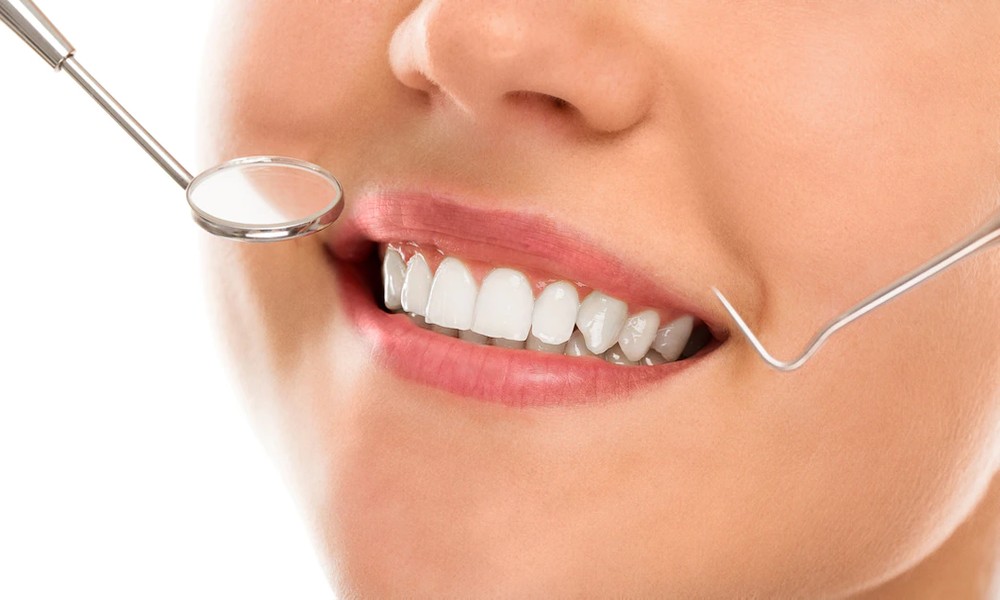
Orthodontic treatment is no longer limited to children. Today, both teens and adults seek orthodontic care to improve the appearance, alignment, and function of their teeth. Modern orthodontic treatments are more comfortable and less noticeable than traditional methods used in the past. Orthodontists provide a variety of treatment solutions depending on a patient’s dental needs, age, and individual preferences. Choosing a qualified orthodontist Greensboro, NC can help patients receive personalised care and modern treatment options that improve both dental health and overall confidence.
Traditional Metal Braces
Metal braces remain one of the most common orthodontic treatments for teens and adults. They consist of metal brackets attached to the teeth and connected by wires that gradually shift the teeth into proper alignment.
Today’s metal braces are more compact and comfortable compared to traditional designs. They are highly effective for treating complex alignment issues, including overcrowding, gaps, bite problems, and severely crooked teeth. Regular adjustments by the orthodontist help guide the teeth into their correct positions over time.
Ceramic Braces
Ceramic braces work similarly to traditional metal braces but are designed to be less noticeable. The brackets are usually clear or tooth-colored, allowing them to blend more naturally with the teeth.
Many adults prefer ceramic braces because they provide a more discreet appearance while still offering effective treatment. However, ceramic braces may require extra care because the brackets can stain if oral hygiene is not maintained properly.
Invisalign and Clear Aligners
Clear aligners, such as Invisalign, have become increasingly popular among teens and adults. These aligners are crafted from clear plastic and are specially customised to fit snugly over the teeth. They gradually move the teeth through a series of removable trays.
One of the main benefits of clear aligners is their convenience. Patients are able to take them out during meals, brushing, and flossing. They are also less visible than traditional braces, making them a preferred option for individuals concerned about appearance.
Clear aligners are often suitable for mild to moderate alignment problems, though severe cases may still require braces or other treatments.
Retainers
Retainers are commonly used after active orthodontic treatment is complete. Their main purpose is to keep the teeth in their new positions and prevent them from shifting back over time.
There are different types of retainers, including removable and fixed options. Orthodontists provide instructions on how often retainers should be worn to maintain long-term results. Consistent retainer use is essential for preserving the outcome of braces or aligner treatment.
Palatal Expanders
Palatal expanders are often used in younger teens whose jaws are still developing. These devices help widen the upper jaw to create more space for teeth and improve bite alignment.
Expanders may help reduce crowding and improve breathing or chewing function in some cases. Early orthodontic intervention with expanders can sometimes reduce the need for more complex treatments later.
Tooth Extractions and Additional Procedures
In certain situations, orthodontists may recommend removing one or more teeth to create enough space for proper alignment. This is more common in cases of severe crowding.
Some patients may also require additional procedures, such as jaw-related treatments, to correct major bite or alignment issues. The orthodontist carefully evaluates each case before recommending any advanced treatment.
