

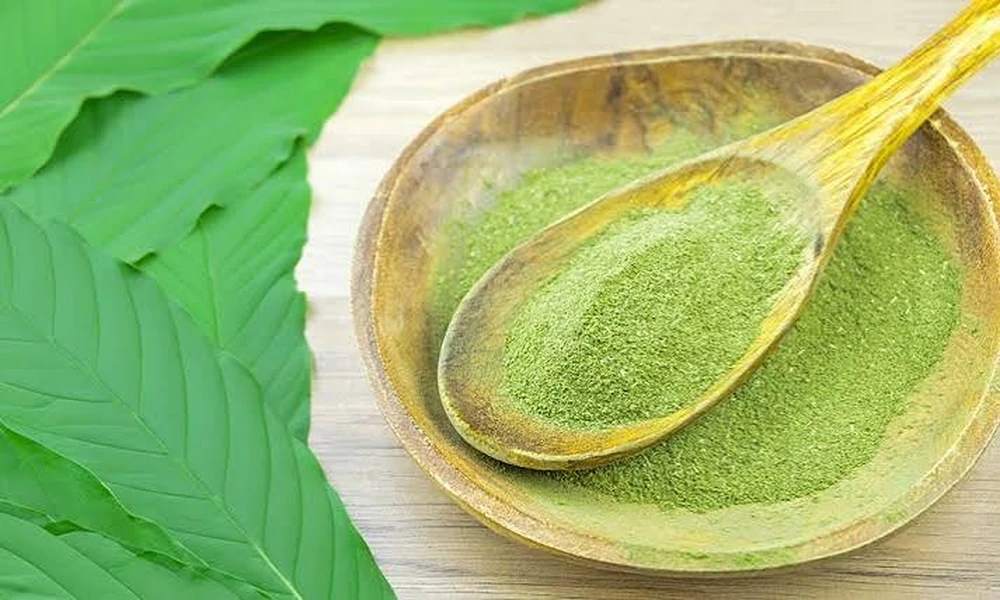
Starting with product knowledge can make labels easier to understand. Kratom refers to a plant-based material sold in several forms with different concentrations. Powders, capsules, liquids, or extracts may differ greatly in measured alkaloid content. Looking at their form, concentration, and serving size helps provide a clearer understanding of kratom products.
Common Forms Found Today
Powder is dried plant material measured by weight. Capsules contain powder inside a shell for easier portion tracking. Liquid products may contain extracts with more concentrated alkaloids than ordinary powder. Kratom products can differ greatly even when labels show similar serving terms.
- Plain powder usually contains dried plant material without added extract.
- Capsules hold measured contents inside a simple enclosed serving.
- Liquid extracts can contain concentrated amounts within smaller volumes.
- Tea preparations may vary according to preparation method and strength.
- Extract labels may show ratios or measured alkaloid amounts.
Reading Strength Information Clearly
Strength does not always mean the same thing across forms. A label may show total material, extract ratio, or measured alkaloid content. A higher extract ratio suggests greater concentration but does not reveal every active compound. Clear measurements are more useful than claims such as strong or enhanced, giving kratom products a clearer basis for understanding their labeled strength.
- Measured mitragynine content allows clearer product comparisons between products.
- Extract ratios describe concentration without confirming exact alskaloid amounts.
- Serving size connects listed quantities with intended portions clearly.
- Batch testing can provide evidence about identity and contamination.
- Ingredient lists can reveal added compounds or concentrated extracts.
Understanding Extracts And Concentrates
Extracts process plant material into a more concentrated preparation. Strength can vary because extraction methods differ. Package size alone cannot show concentration. Concentrated forms should be assessed through stated alkaloid amounts rather than marketing language.
Checking Quality And Testing
Product quality can vary because labels do not guarantee consistent composition. FDA testing found significant lead and nickel levels in some sampled products. Batch-specific laboratory reports can provide stronger evidence about contents. Testing should identify the sample alongside compounds and contamination checks. Clear reports are more useful when they match the exact batch being sold.
Comparing Strength with Form
A product’s physical form does not automatically determine its strength. Powder, capsules, liquids and extracts may contain different concentrations. Compare the stated serving amount with listed alkaloid content before judging potency. A larger package does not necessarily indicate a stronger product. Clear measurements provide a more useful basis for comparing different kratom products.
Sound comparison starts by separating material type from concentration. Examine serving details alongside alkaloid measurements, ingredient lists, and laboratory results before making judgments. Concentrated preparations deserve caution because potency can increase uncertainty. Avoid relying on attractive claims or package size alone. When labeling remains unclear, a decision becomes less informed. Products require careful review before any decision is made.
FAQs
Can powder and extract products have different strength levels?
Yes, extracts can contain more concentrated alkaloid amounts than powder.
Does a larger package mean a stronger product overall?
No, package size does not determine concentration or alkaloid content.
Why should laboratory reports be checked before comparing products?
They can provide evidence about identity alongside concentration and contamination screening.
