

You notice one odd symptom, then your mind starts racing. Is it serious, or are you overreacting? Will the visit cost more than you can manage? Will your pet be scared, judged, or pushed into tests you do not understand? That spiral is common, and it is one reason so many people delay care. The truth is simpler and more reassuring than the rumors make it seem. Most animal hospitals are built to assess problems early, explain options clearly, and help you make sound choices for your pet without guesswork, including keeping your pet’s vaccinations current in Cape Coral.
A lot of confusion comes from stories passed around by friends, old experiences, or the idea that an animal clinic only matters during a crisis. That belief can cost time, money, and in some cases, your pet’s comfort. Clearing up these myths helps you know when to seek care, what to expect, and how to prepare.
Animal hospitals are not only for emergencies
One of the most common myths is that animal hospitals are the place you go only when something is badly wrong. You might wait through vomiting, limping, itching, or a sudden drop in appetite because it does not look dramatic enough. That delay often turns a manageable issue into a harder one.
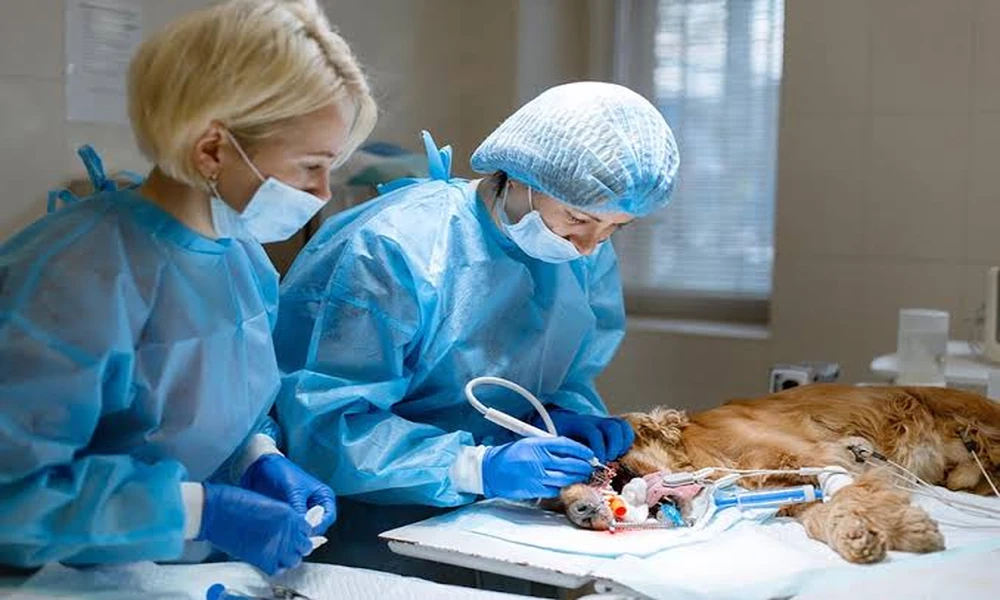
Animal hospitals handle emergencies, but they also deal with diagnostics, surgery, chronic disease management, pain control, and specialty care. Some offer services beyond what a general practice can provide, especially when a case needs imaging, advanced monitoring, or multiple clinicians working together. A veterinary hospital myths debunked approach starts here. Early evaluation is often the most practical move, not the most extreme one.
Higher cost does not always mean unnecessary treatment
People sometimes assume a larger bill means they were sold services they did not need. The fear makes sense, especially if you are already stressed and trying to make quick decisions. But cost usually reflects equipment, staffing, monitoring, lab work, and the skill required to treat a sick or injured animal safely.
If your pet needs bloodwork before anesthesia, that is not padding the invoice. It helps identify hidden risks. If your pet stays for observation, that covers trained staff, medication timing, and changes in condition that can happen fast. You still have every right to ask what each item is for, what is urgent, and what can wait. Good hospitals expect those questions and should answer them plainly.
Many teaching and referral hospitals also explain services in detail so owners can prepare before they arrive. The Veterinary Teaching Hospital at Illinois is one example of how broad and specialized animal hospital care can be.
Pets do not need to “look very sick” to need prompt care
Animals hide pain well. That is not a personality quirk. It is survival behavior. A dog can still wag while running a fever. A cat can sit quietly with serious discomfort and give you almost nothing to work with except hiding, less grooming, or not finishing meals.
This is where many animal hospital misconceptions cause real harm. Owners often wait for obvious collapse, nonstop crying, or visible injury. By then, dehydration, infection, urinary blockage, toxin exposure, or internal pain may be worse than it first appears. If your pet is suddenly acting unlike themselves, that change matters. Subtle signs are often the first warning.
Animal hospitals are not the same as a routine clinic visit
Another misconception is that every pet care setting works the same way. A routine clinic and a hospital can overlap, but they are not identical. Hospitals often have more intensive diagnostic tools, access to specialists, and stronger capacity for urgent monitoring. That matters when a condition is changing by the hour.
You may also assume you can just show up and figure things out once you arrive. In reality, preparation helps. Bringing medication lists, knowing when symptoms started, and calling ahead when possible can save time and improve care. North Carolina State University’s guide on how to prepare for your visit reflects what many hospitals need from pet owners before an appointment or emergency intake.
Fear and stress can be managed during an animal clinic visit
Some owners avoid care because they picture a chaotic, frightening experience for their pet. That does happen in urgent cases, but it is not the full story. Veterinary teams work with anxious animals every day. They use handling methods, quieter spaces, sedation when needed, and step by step exams to reduce distress.
If your dog panics in waiting rooms or your cat shuts down in the carrier, say so before the visit. That information helps the team adjust. Stress is not a reason to skip care. It is part of the care plan.
Common myths compared with the reality of animal hospital care
| Misconception | Reality | Risk of Believing It |
|---|---|---|
| Animal hospitals are only for emergencies | They also handle diagnostics, surgery, specialty care, and monitoring | Delaying treatment for conditions that worsen over time |
| Expensive care means unnecessary care | Costs often reflect staffing, equipment, testing, and safety measures | Refusing useful diagnostics or treatment without understanding the reason |
| If my pet is walking, eating a little, or quiet, it is not serious | Pets often hide pain and illness until problems advance | Missing early signs of infection, blockage, pain, or internal illness |
| All veterinary settings offer the same level of care | Hospitals may provide urgent support, specialty services, and advanced imaging | Going to the wrong setting and losing time |
| A stressed pet cannot handle a hospital visit | Teams can adapt handling, scheduling, and sedation plans | Avoiding care because of fear rather than medical need |
Clear steps you can take before your next visit
Track the change. Write down when symptoms started, how often they happen, what your pet ate, and any recent medication or toxin exposure. A short video of coughing, limping, or unusual behavior can help more than a vague description.
Call before you arrive. If your pet may need urgent care, contact the animal clinic first. Ask whether they can see your pet right away, whether fasting matters, and whether you should bring records or current medications.
Ask for priorities, not just prices. If a treatment plan feels overwhelming, ask what is essential now, what is recommended next, and what can be monitored. That conversation often lowers panic and helps you make a decision you can stand behind.
Good information makes pet care less overwhelming
A lot of fear around animal hospital care comes from not knowing what happens behind the exam room door. Once the myths are stripped away, the picture is far less intimidating. Animal hospitals are there to catch problems sooner, explain what your pet needs, and support you through decisions that can feel heavy in the moment.
If your pet is acting off, trust that instinct and reach out to an animal clinic for guidance. Getting answers early is often the kindest move you can make.
