

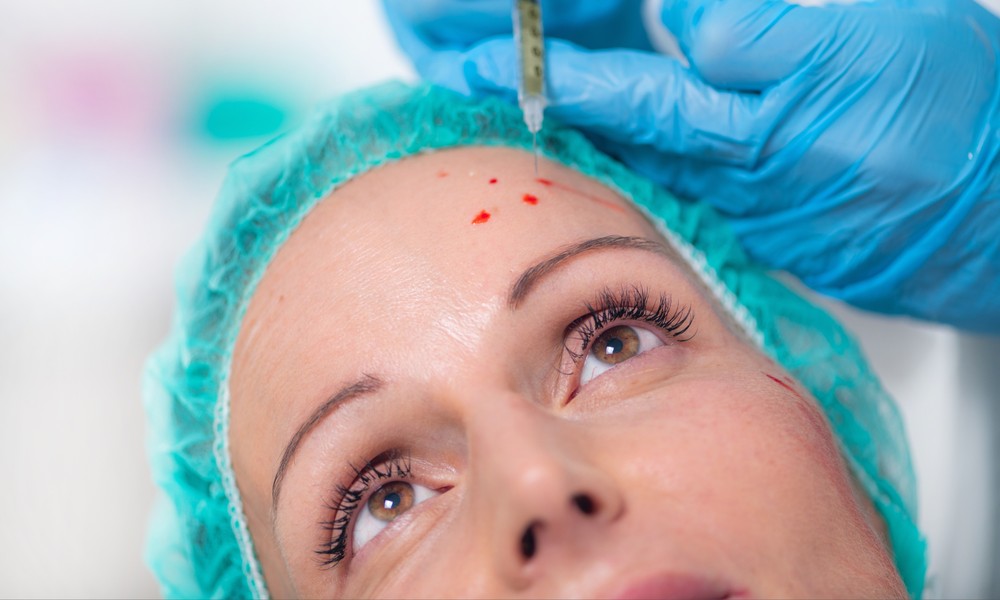
Many people want healthier-looking skin, but not everyone is interested in surgery or lengthy recovery time. That is one reason non-surgical cosmetic treatments continue to attract attention. These options are often chosen by people who want to address concerns like fine lines, dullness, uneven texture, discoloration, acne scarring, or visible veins without taking a highly invasive route.
The right treatment depends on the person, their skin type, and the concerns they want to improve. Some options focus on relaxing facial movement, while others work by resurfacing the skin, stimulating collagen, or improving tone and texture over time. For anyone considering cosmetic care, speaking with a dermatologist in NY can be a smart first step in understanding which treatments may be appropriate.
Here are 9 non-surgical cosmetic treatments people often explore when they want smoother, more refreshed skin.
1. Botox
Botox is one of the most widely known cosmetic treatments for softening the appearance of dynamic wrinkles. These are the lines that form from repeated facial expressions, such as frowning, squinting, or raising the eyebrows. Common treatment areas include forehead lines, crow’s feet, and the lines between the brows.
People often explore Botox because it is relatively quick and does not require surgery. The goal is not always to eliminate every line, but often to create a smoother, more rested appearance while maintaining natural expression.
2. Dermal Fillers
Dermal fillers are often used to restore volume, soften certain facial lines, and enhance facial contours. As people age, natural collagen, fat, and elasticity can decrease, which may contribute to hollowing or sagging in some areas. Fillers are commonly explored for the cheeks, lips, jawline, and around the mouth.
Rather than treating movement-related wrinkles the way Botox does, fillers are generally used to support structure and volume. For many people, that can lead to a refreshed look without surgery.
3. Microneedling
Microneedling is a popular option for improving skin texture and encouraging collagen production. The treatment uses tiny needles to create controlled micro-injuries in the skin, which can stimulate the body’s natural repair response. Over time, this may help the skin appear smoother and firmer.
People often look into microneedling for concerns such as mild acne scars, enlarged pores, fine lines, and uneven texture. It is frequently chosen by those who want gradual improvement and a treatment that supports overall skin quality.
4. Chemical Peels
Chemical peels use carefully selected solutions to exfoliate the outer layers of skin. Depending on the type and strength of the peel, this can help improve dullness, uneven tone, rough texture, and certain pigment concerns. Some peels are lighter and involve minimal downtime, while others are more intensive.
People often explore chemical peels when they want brighter-looking skin or help with surface-level imperfections. Because peels vary so much in depth and intensity, professional guidance is important in choosing the right approach.
5. Laser Skin Rejuvenation
Laser skin rejuvenation is often considered by people who want to improve tone, texture, pigmentation, or signs of sun damage. Different lasers are designed for different goals, which is why treatment plans can vary significantly from person to person.
Some lasers target redness or brown spots, while others focus more on resurfacing and collagen stimulation. People are often drawn to laser treatments because they can address multiple concerns at once, especially when skin looks tired, uneven, or weathered over time.
6. Cosmetic Lesion Removal
Not every cosmetic concern involves wrinkles or texture. Some people are more bothered by visible skin tags, benign growths, or other lesions that affect how smooth and clear their skin appears. Cosmetic lesion removal is often explored when these features are harmless medically but still affect confidence or comfort.
This type of treatment can be appealing because it focuses on removing specific visible concerns that stand out on the face or body. The goal is often a cleaner, more even appearance rather than broad rejuvenation.
7. Sclerotherapy
Sclerotherapy is commonly explored by people who want to reduce the appearance of spider veins or small visible leg veins. The treatment involves injecting a solution into the targeted veins so they gradually fade from view over time.
Although it is not usually thought of as a facial cosmetic treatment, it still falls into the category of non-surgical aesthetic care. For people who feel self-conscious about visible veins, especially on the legs, sclerotherapy can be an appealing option for improving skin appearance without surgery.
8. Medical-Grade Facials or Skin-Refreshing Treatments
Some people begin with less intensive cosmetic treatments designed to refresh the surface of the skin and improve radiance. These types of treatments may focus on cleansing, exfoliation, hydration, or mild resurfacing to help skin feel smoother and look more awake.
While these treatments are often gentler than lasers or injectables, they can still play a role in an overall skin-improvement plan. They are especially appealing to people who want a refreshed look with minimal interruption to their routine.
9. Combination Treatment Plans
In many cases, people do not rely on a single treatment. Instead, they explore a combination of options based on their specific goals. For example, someone may use Botox for expression lines, fillers for volume, and microneedling or laser treatment for texture and tone.
Combination plans are often appealing because skin concerns rarely come from just one cause. A refreshed appearance may involve improving movement-related wrinkles, rebuilding support, and smoothing the surface of the skin at the same time.
Non-surgical cosmetic treatments offer a wide range of possibilities for people who want smoother, healthier-looking skin without undergoing surgery. From injectables and resurfacing options to vein treatment and cosmetic removal procedures, these approaches can target many common concerns in a more flexible way.
The most effective treatment path depends on the individual, not just the trend. Skin type, age, goals, lifestyle, and medical history all matter. Taking time to understand the available options can help people choose treatments that support a more natural, refreshed result rather than chasing a one-size-fits-all solution.
