

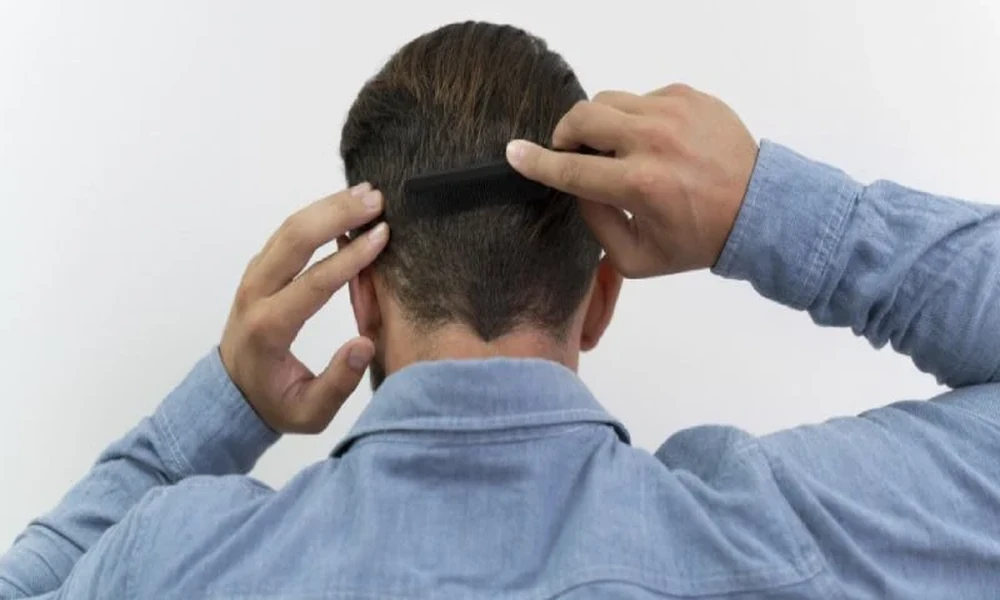
Many patients find themselves impatient when going through the post-transplant recovery phase, but it’s an important step in regaining confidence and appearance after a hair transplant procedure. One of the usual queries that arise after the procedure is, “How to accelerate the growth of the transplanted hair?” The process of growing hair after transplantation is a gradual process and it is natural that one wants to enhance and accelerate the process in a safe way.
Although modern techniques for hair transplant in Delhi can work to produce very natural looking and permanent hair transplants, the procedures performed following the surgery and recovery, scalp care, nutrition, and lifestyle choices also play an important role in the outcome. No technique will help you to grow hair in a single night, but there are several scientific techniques which will help to get better and faster recovery from transplanted follicles.
This blog will discuss some effective methods to stimulate faster hair growth after a hair transplant without compromising the survival and health of the graft.
Understanding the Natural Hair Growth Timeline
It’s also important to know the natural hair growth timeline first. It is important to understand that hair transplantation does have a natural biological cycle, and before attempting to accelerate the process, one should first make sure that the hair is growing as it should. Transplanted follicles go into a dormant state right after surgery, before starting to grow again. Typically:
- Transplanted hair will fall off in the first few weeks.
- New growth begins in 3-4 months.
- Improved vision after 6 months.
- Final results take 10-12 months to come out
This timeline is important to know so that the patient won’t create any unnecessary stress during the recovery period and will be realistic.
Follow Post-Procedure Instructions Carefully
The easiest way to aid healthy hair growth is to follow the doctor’s post procedure instructions correctly. Following a hair transplant in Delhi, patients are typically recommended to do the following:
- Do not touch or scratch scalp
- Rinse scalp softly, as directed
- Initially sleep with proper head elevation.
- Do not exercise, sweat or do strenuous activities in early healing stage
To ensure grafts heal properly and develop more fully, they must be cared for during this sensitive period.
Eat a Nutritious Diet
You need to nourish your hair follicles to make them grow strong and healthy. In addition to this, a balanced diet can help enhance recovery and hair growth following transplantation. Foods rich in:
- Protein
- Iron
- Zinc
- Biotin
- Omega-3 fatty acids
The vitamins A, C, D and E are fat-soluble vitamins. Promote follicles and enhance scalp health.
Protein is particularly crucial because hair is composed mostly of keratin, which is also a protein.
Stay Away From Smoking and Over-Indulgence of Alcohol
Blood flow is vital to successful graft survival and hair growth, and smoking and alcohol adversely impact blood flow. Smoking especially may:
- Depleted oxygen to follicles.
- Cut off oxygen to follicles.
- Delay healing
- Reduce crop quality and yield
Patients typically should not smoke or drink alcohol for a while after the procedure to promote healthy growth.
Scalp is Susceptible To The Harmful Effects of the Sun
In the early post-operative stage, when the scalp is beginning to heal, it can be aggravated by direct sunlight and it may have a negative impact on newly transplanted grafts. Patients should:
- If possible, keep away from the rough sunlight at first.
- Wear protective head gear if required
- Do as doctor says about going outside
Preserving the scalp will help to preserve a healthier healing environment.
Manage Stress Levels
Stress is one of the major factors that can negatively affect hair growth. Once surgery has been performed, if there is too much concern about the outcome, this can lead to temporary hair loss or slower recovery. Managing stress through:
- Proper sleep
- Light exercise following recovery.
- Relaxation techniques
- Balanced lifestyle habits
Can have a positive impact on general hair health and recovery
Why is Quality Sleep and Recovery So Critical?
When the body is properly rested, hair follicles will repair and regenerate more effectively. The quality of sleep can impact recovery rates and hormones.
Patients should try to achieve:
- Consistent sleep schedules
- The healing phase in recovery is crucial and requires proper recovery.
- Decreased physical fatigue at first
Good sleeping practices can help promote healthier and stronger hair growth.
Medication and Supportive Therapies
Medicines or supportive therapy may be prescribed following a transplant to further boost hair regrowth and maintain existing hair. These may help:
- Support follicle strength
- Improve scalp circulation
- Minimize continued thinning hair in untreated zones
Do not depend on unproven products without the advice of a professional health practitioner.
Final Thoughts
Although it is not a possibility to achieve artificial hair growth after transplant, it is possible to adopt healthy recovery practices that can help to achieve stronger and faster growth. Aftercare instructions, a healthy diet, avoidance of bad habits and patience help with successful healing and healthy growth.
When it comes to the ultimate success of your hair transplant, the understanding of how to take care of your scalp after the procedure and evaluating the hair transplant cost in addition to the area of expertise and experience of the surgeon can be extremely beneficial.
While the surgery itself is important, so is the aftercare of your scalp and health throughout the entire recovery process when it comes to a successful hair transplant.
