

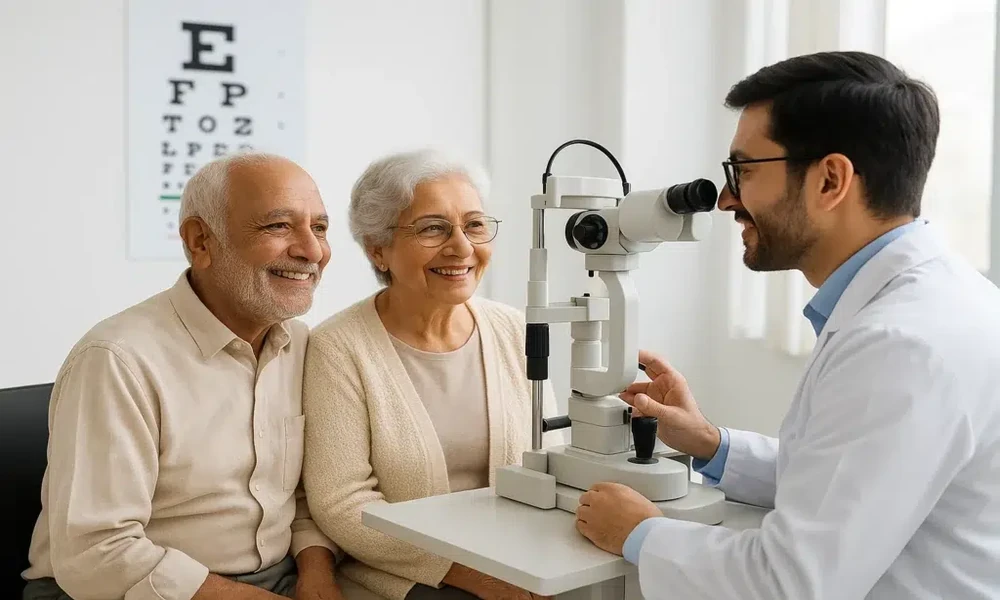
Clear vision is part of daily safety. Whether you drive to work, spend long hours on a screen, handle tools, or walk through busy public spaces, your eyes help you react quickly and make better decisions. A regular Eye Examination can help detect vision changes early, so you can see more clearly and stay safer in everyday situations.
Many people only book an eye check when their vision feels blurry. However, small changes in eyesight can happen slowly. You may not notice them at first, but they can affect how well you read signs, judge distance, notice movement, or work comfortably.
Why Good Vision Matters for Everyday Safety
Your eyes do more than help you read. They help you understand your surroundings. At work or on the road, this can make a real difference.
Good vision supports:
- Clear distance vision for signs, screens, and moving objects
- Peripheral vision to notice people, vehicles, or hazards at the side
- Depth perception to judge distance and space
- Light adjustment when moving from bright to dim areas
- Visual comfort during long periods of focus
When your vision is not corrected properly, your eyes may work harder than they should. This can lead to tired eyes, headaches, slower reactions, or simple mistakes that could have been avoided.
Eye Examinations and Road Safety
Driving depends heavily on vision. You need to see clearly ahead, check mirrors, read road signs, and respond to sudden changes. Even a small vision problem can make driving more stressful, especially at night or during rain.
An Eye Examination can help check whether your current prescription is still right. It may also identify issues such as glare sensitivity, poor night vision, or difficulty focusing between near and far objects.
These problems can affect daily driving in simple ways, such as:
- Struggling to read signs from a distance
- Finding headlights too bright at night
- Misjudging the distance between vehicles
- Feeling eye strain during long drives
- Reacting more slowly to cyclists or pedestrians
Good vision does not replace safe driving habits, but it supports them. When your eyesight is clear and comfortable, you can focus better on the road.
Eye Examinations and Workplace Safety
Workplace safety is not only about helmets, gloves, or proper shoes. Eye health also matters, especially for people who work with screens, machinery, chemicals, dust, bright lights, or detailed tasks.
For office workers, uncorrected vision can cause eye strain, neck discomfort, and reduced focus. For people in hands-on jobs, poor vision may make it harder to see small parts, warning labels, uneven surfaces, or moving equipment.
A regular eye check can help workers understand what their eyes need for their specific environment. Some people may need updated glasses. Others may benefit from lenses designed for screen use, better lighting habits, or protective eyewear for certain tasks.
Common Signs You May Need an Eye Check
You do not always need to wait until your vision is very blurry. Your eyes may already be giving you signs that something has changed.
Consider booking an eye check if you notice:
- Frequent headaches after reading or screen time
- Squinting to see signs, screens, or small text
- Blurry vision at near or far distances
- Eye strain during work or driving
- Trouble seeing clearly at night
- Double vision or sudden vision changes
- Dry, tired, or uncomfortable eyes
Sudden vision changes, eye pain, flashes of light, or new floaters should be checked promptly by an eye care professional.
What Happens During an Eye Examination?
An eye examination usually looks at both vision clarity and eye health. The process may include reading letters on a chart, checking how your eyes focus, measuring your prescription, and assessing how your eyes work together.
Depending on your needs, the eye care professional may also check eye pressure, side vision, and signs of common eye conditions. These checks are useful because some eye problems can develop without obvious symptoms in the early stages.
The goal is not only to find out whether you need glasses. It is also to understand how your eyes support your lifestyle, work, driving, hobbies, and daily comfort.
Why Lifestyle Matters in Eye Care
Two people may have the same prescription but very different visual needs. A driver, an office worker, a student, and a person who works outdoors may all use their eyes in different ways.
This is why lifestyle-based eye care is helpful. For example, Spectacle Hut’s VisionCAREPlus+ supports personalised eye care by considering lifestyle needs such as screen use, night driving, eye comfort, and daily routines before recommending suitable vision solutions.
This approach helps make the eye check more practical. Instead of focusing only on numbers, it connects your vision to how you actually live and work.
Simple Habits That Support Safer Vision
An eye check is important, but everyday habits also help protect your eyes.
Try to:
- Wear the right glasses or contact lenses as prescribed
- Use protective eyewear when work or sports conditions require it
- Take short breaks during long screen sessions
- Keep your lenses clean and in good condition
- Use proper lighting when reading or working
- Wear sunglasses outdoors for UV protection when needed
- Follow your optometrist’s advice for follow-up checks
These habits may seem small, but they can improve comfort and reduce unnecessary risk.
How Often Should You Have an Eye Check?
The right schedule depends on your age, health, family history, prescription, and daily activities. Some people may need yearly checks, while others may be advised differently by their eye care professional.
You may need more regular reviews if you drive often, work in a visually demanding job, use screens for long hours, have diabetes or high blood pressure, wear contact lenses, or have a family history of eye disease.
A regular eye exam gives you a clearer picture of your vision and helps you manage changes before they affect your daily life.
Clear Vision Supports Safer Days
Eye care is not only about seeing letters on a chart. It is about feeling confident when you drive, work, move around, and complete everyday tasks.
When your vision is clear, comfortable, and properly supported, you can respond better to the world around you. That is why eye examinations should be seen as part of everyday safety, not just a routine check for new glasses.
