

INTRODUCTION
It’s easy to cancel an eye exam when life gets full of activity. Many people convince themselves that blurry vision is caused by fatigue, too much screen time, or a pair of glasses that’s getting old. While those explanations can sometimes be true, persistent changes in eyesight deserve more attention. Knowing when to schedule an eye exam can help prevent minor issues from developing into more serious problems.
When blurry vision starts interfering with reading, driving, working, or other everyday activities, it can be difficult to know whether you should wait and see if it improves or arrange an appointment. A practical Eye Exam Blurry Vision Guide can help you recognize common signs that an eye examination may be appropriate, especially when the change is persistent, recurring, or gradually worsening. Paying attention to when the blurriness occurs and how it affects your daily routine can give your eye care professional useful information and help ensure potential problems are evaluated at the right time.
PAY ATTENTION TO CHANGES IN YOUR DAILY ROUTINE
One of the first clues that it’s time for an eye exam is when everyday tasks become more difficult. Reading small print, recognizing faces from a distance, or driving after dark shouldn’t suddenly require extra effort. If you’re cleaning your glasses repeatedly because everything looks hazy or you find yourself increasing text size on your devices, your eyes may be telling you that something has changed.
DON’T IGNORE VISION THAT KEEPS FLUCTUATING
Blurry vision that comes and goes can be just as important as constant blurriness. Dry eyes, blood sugar changes, eye strain, and certain medical conditions can all cause vision to fluctuate throughout the day. If the problem continues for more than a few days or keeps returning, scheduling an eye examination is a sensible next step.
CONSIDER YOUR PERSONAL RISK FACTORS
Some people should be more proactive about routine eye care. Adults over 40, individuals with diabetes or high blood pressure, and those with a family history of glaucoma or other eye diseases face a complex danger of rising vision complications. People who have undergone eye surgery or experienced previous eye injuries should also follow the examination schedule recommended by their eye care professional.
MAKE EYE EXAMS PART OF PREVENTIVE HEALTHCARE
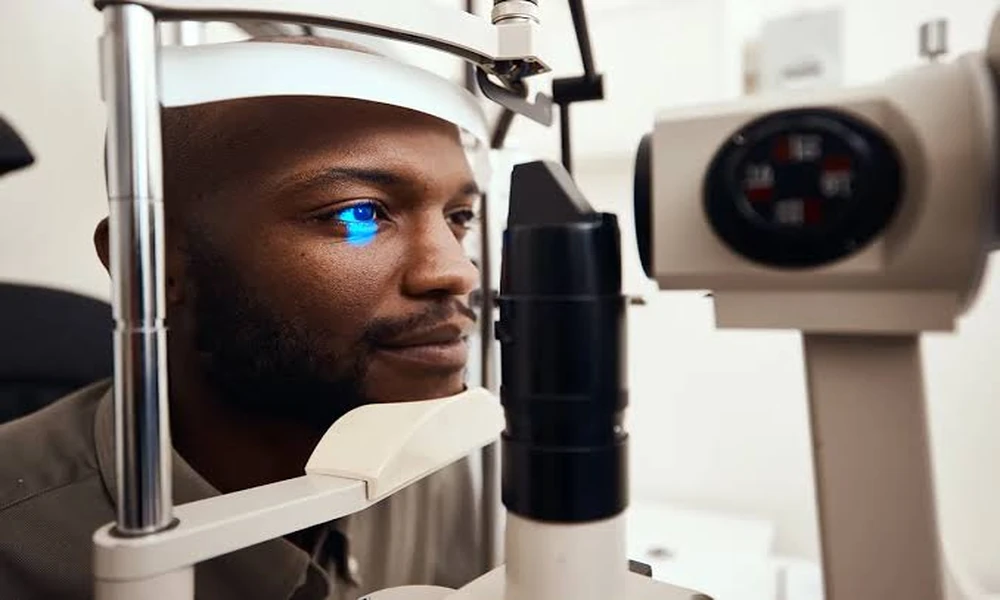
Eye examinations do more than determine whether you need a new glasses prescription. They allow eye care professionals to examine the health of the retina, optic nerve, cornea, and other important structures inside the eye. In some cases, signs of diabetes, high blood pressure, or other health conditions are first detected during a routine eye examination. This creates regular check-ups prized even for people who consider their eyesight to be good.
KNOW WHEN WAITING ISN’T AN OPTION
Certain symptoms should never be monitored at home. Sudden blurry vision, severe eye pain, flashes of light, a rapid increase in floaters, or a shadow across part of your vision require immediate medical attention. These symptoms can indicate conditions that need prompt treatment to reduce the risk of permanent vision loss.
FINAL THOUGHTS
Looking after your eyesight doesn’t require complicated routines. Scheduling regular eye exams, wearing appropriate eye protection, limiting unnecessary eye strain, and maintaining a healthy lifestyle all contribute to better long-term vision. Blurry vision should never be dismissed as an inconvenience that will eventually disappear on its own. Whether the cause is a simple prescription change or an underlying eye condition, an examination provides clear answers and the opportunity to protect your vision before the problem progresses.
