

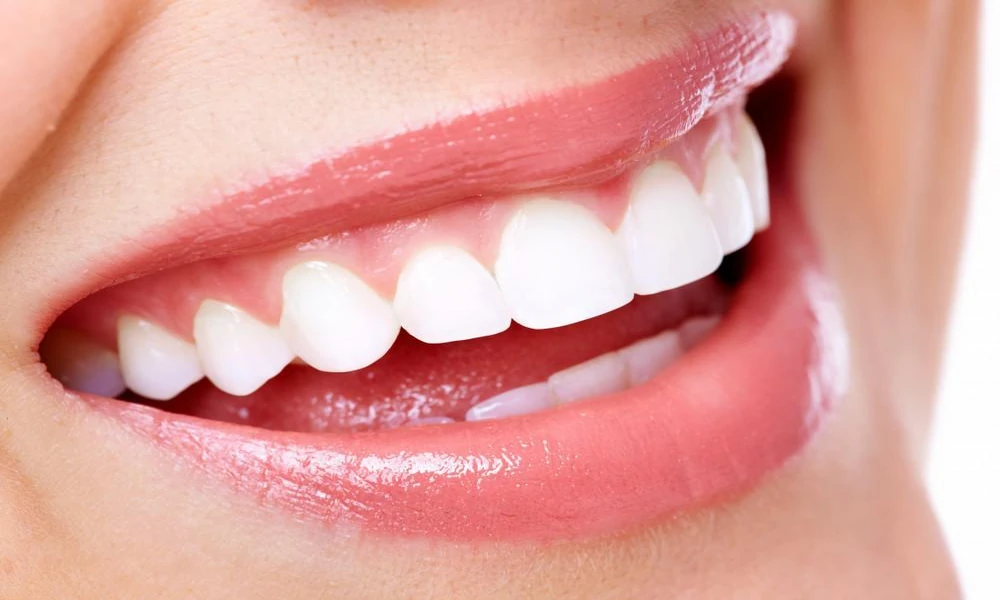
You may have told yourself it is only a small chip, one dark tooth, one old filling that keeps catching food, one missing tooth you have learned to work around. That is usually how it starts. The problem is not always pain. Sometimes it is the way you smile less in photos, chew on one side, or feel that quiet worry every time something cold hits your teeth. Restore your smile with dental implants in Norcross.
When appearance and function start changing at the same time, a simple cosmetic fix may not be enough, and a basic repair may not give you the result you want to live with every day. That is where a cosmetic and restorative dentist often becomes the right fit. You are not being vain, and you are not overreacting. If your teeth are affecting comfort, confidence, or daily use, it may be time to address both.
Visible Damage Often Means the Tooth Needs More Than a Surface Fix
A stained tooth can sometimes be whitened. A chipped tooth can sometimes be bonded. But when damage goes deeper, looks and structure are tied together. A crack, worn edge, or large broken area may change the shape of your smile and weaken the tooth at the same time.
You might be looking at a front tooth that no longer matches the others, thinking the issue is cosmetic, only to find that the enamel is thin or the tooth is unstable. In cases like that, treatment may need to rebuild strength first, then improve color and shape so the result lasts. That is the point where cosmetic and restorative dentistry stops being a luxury and starts being practical care.
Older dental work can add to the problem. Fillings wear down, edges leak, and teeth around them can weaken over time. The National Institute of Dental and Craniofacial Research explains the role of dental fillings and why material choice matters when restoring damaged teeth.
Chewing Discomfort and Bite Changes Point to Restorative Needs
If you avoid crunchy foods, chew on one side, or feel like your bite is off, your mouth is already compensating. Many people wait because they can still eat, just not normally. That workaround has a cost. Extra pressure shifts to other teeth, jaw muscles tighten, and small problems become larger repairs.
A tooth that hurts when you bite may be cracked. A missing molar may be causing nearby teeth to drift. Worn teeth can shorten over time and change the way your upper and lower teeth meet. In those situations, the goal is not only to make your teeth look better. It is to restore balance, protect what is left, and help you use your mouth without thinking about it all day.
This is often where people realize they need more than a standard cleaning visit. They need a plan that blends repair with appearance, which is why many seek a restorative and cosmetic dental treatment approach instead of treating each issue one by one.
Missing Teeth Affect More Than Your Smile
A missing tooth is easy to minimize if it is not visible when you talk. The changes around it are harder to ignore with time. Nearby teeth can tilt, the opposing tooth can shift, and chewing can become uneven. You may also notice your face looks a little different, especially if several teeth are missing.
Replacement options depend on how many teeth are gone, the health of the surrounding bone, and what kind of result you want. For some people, removable appliances are part of the answer. MedlinePlus offers a clear overview of dentures and tooth replacement options, including what to expect from fit and function.
When replacing missing teeth, appearance matters because these restorations become part of your daily smile. Function matters because they must help you chew, speak, and keep nearby teeth stable. That is why a cosmetic restorative dentist often looks at the full picture instead of just filling the gap.
Repeated Repairs Suggest It Is Time for a Longer Term Plan
If the same tooth keeps needing work, that is a sign worth taking seriously. A patch can be useful, but repeated patching often means the structure underneath is failing. You may be spending money in small amounts over and over, while the tooth keeps getting weaker.
Dental materials have improved a great deal, and the National Institute of Dental and Craniofacial Research highlights ongoing advances in modern dental materials research. Better materials can support stronger, more natural looking restorations, but they work best when the treatment plan matches the condition of the tooth.
If you have old crowns that no longer fit well, fillings that keep breaking, or cosmetic work that never felt quite right, this is usually the moment to stop chasing short fixes and start planning for durability, comfort, and appearance together.
Short Term Fixes and Combined Dental Care Lead to Very Different Outcomes
| Situation | Short Term Cosmetic Only Fix | Combined Cosmetic and Restorative Approach |
|---|---|---|
| Chipped front tooth | May improve appearance briefly if the tooth is also weak or cracked | Restores strength, shape, and color with a result built to last longer |
| Large old filling with discoloration | Whitening or surface touch up does not address failing structure | Replaces damaged material and improves the look of the tooth at the same time |
| Missing tooth | Ignoring it may save money now but can lead to shifting and bite problems | Replaces function and supports smile balance and long term oral health |
| Worn down teeth | Cosmetic reshaping alone may not solve bite stress | Rebuilds biting surfaces and improves appearance in a more stable way |
Clear Next Steps Help You Move Forward Without Guessing
Track what has changed. Write down when you notice pain, sensitivity, food trapping, bite changes, or embarrassment about specific teeth. These details help identify whether the issue is mostly cosmetic, mostly restorative, or both.
Gather your dental history. If you have had repeated fillings, crowns, bonding, or tooth loss, bring that timeline to your appointment. Patterns matter. A tooth that has been repaired several times often needs a different strategy than one receiving first time treatment.
Ask for a full treatment plan. Do not settle for a quick quote on one tooth if multiple issues connect. Ask what is causing the problem, what happens if you wait, and which options improve both function and appearance. That is how you get care that fits your life, not just a temporary fix.
You do not need to wait for a dental problem to become painful or obvious to everyone else. If your teeth are affecting how you eat, speak, or smile, there is a reason it keeps bothering you. The right plan can protect your oral health and help you feel like yourself again. Reach out to a cosmetic and restorative dentist to talk through your options and get a treatment plan that addresses the full problem.
