

Losing a tooth changes more than your smile. You feel it when you chew on one side, when certain words sound different, or when you catch your reflection and notice your face looks a little less supported than it used to. What many people do not realize is that the jawbone under a missing tooth starts to shrink, and that loss can keep going quietly in the background. That is why How Implant Dentistry Helps Prevent Bone Loss In The Jaw matters so much. Replacing a missing tooth is not only about appearance. It is about keeping the bone in your jaw active, supported, and less likely to wear away over time. For patients also exploring options like corrective jaw surgery for bite problems in New Braunfels TX, understanding how tooth replacement supports long-term jaw health can be especially important.
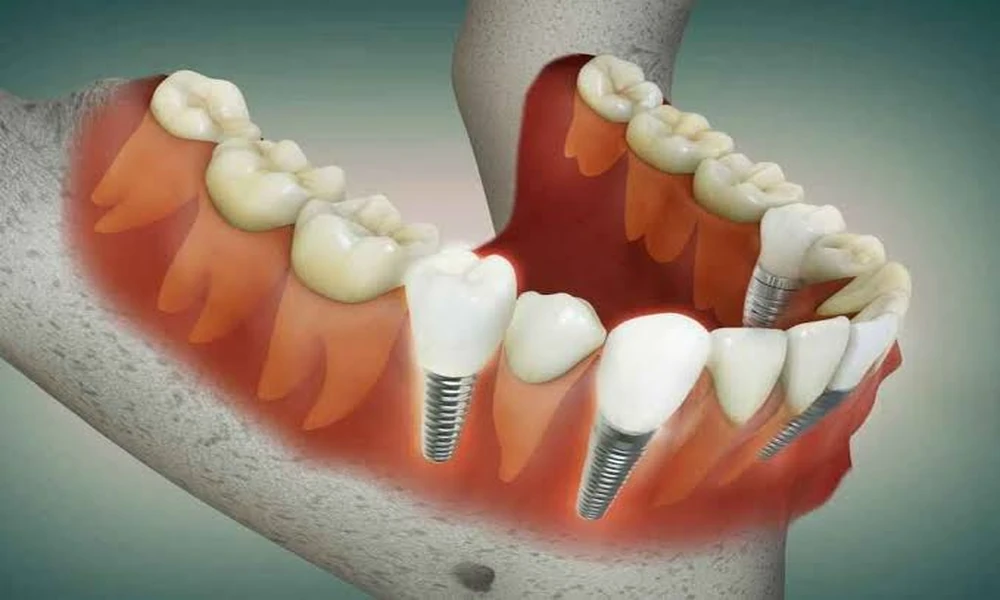
An oral surgeon and implant dentist looks at the missing tooth and the bone that used to hold it. When a dental implant is placed in the jaw, it acts like a tooth root. That root matters because bone needs pressure and stimulation to stay strong. Without it, the body starts to resorb bone in that area. With it, the jaw has a reason to maintain itself.
Missing Teeth Trigger Jawbone Shrinkage
You may have been told to replace a missing tooth when you are ready, as if waiting is mostly a cosmetic issue. It is not. Bone is living tissue. When a tooth is lost, the jaw no longer gets the regular force that comes from biting and chewing. The body reads that lack of use as a sign that the bone is no longer needed in the same way.
This is one reason tooth loss affects more than the empty space in your smile. The National Institute of Dental and Craniofacial Research tracks tooth loss in adults, and the numbers show how common this issue is. Common does not mean harmless. Even one missing tooth can change how your bite works, how nearby teeth shift, and how the bone underneath behaves.
The hard part is that bone loss often has no obvious early warning. You do not always feel it happening. Then months or years pass, and a simple replacement becomes more complicated because there is less bone available to support it.
Dental Implants Support Bone in a Way Other Options Cannot
Bridges and dentures can restore appearance and some chewing function, and for many people they are useful options. They do not sit inside the jawbone the way an implant does. A dental implant is placed into the bone, then it bonds with the surrounding tissue in a process called osseointegration. That connection allows the implant to pass chewing forces into the jaw, which helps preserve bone.
This is the core of jawbone preservation with implants. The implant gives the bone a job again. It does not make the area exactly the same as a natural tooth root, but it is the closest replacement available for keeping the bone engaged.
You might be thinking about timing. If the tooth has been missing for a while, implants may still be possible, but some people need bone grafting first because the jaw has already thinned. That is why early evaluation helps. Waiting can narrow your options and raise the cost and complexity of treatment.
Bone Loss Affects Function, Appearance, and Future Treatment
People often first notice the practical side. Food gets trapped. Chewing feels awkward. The opposite teeth may start taking more force than they should. Then the structural changes begin to show. As bone volume decreases, the gums and facial contours can change too. In some cases, this can create a sunken look around the mouth or make a denture fit less securely over time.
This is where implant dentistry for bone loss prevention becomes more than a technical phrase. It is a way to protect your future choices. Preserving bone now can make later treatment more straightforward. It can also help maintain the shape of your smile and the support your lips and cheeks rely on.
Modern implant treatment also benefits from ongoing research into dental materials, which has improved the strength, design, and long term performance of restorations. Better materials do not remove the need for skill and planning, but they do support more predictable care.
Comparing Tooth Replacement Options for Jawbone Health
| Option | Replaces Tooth Root | Helps Preserve Jawbone | Impact on Nearby Teeth | Long Term Considerations |
|---|---|---|---|---|
| Dental Implant | Yes | Yes, by stimulating bone during chewing | Usually leaves nearby teeth untouched | May reduce future bone loss and support stable function |
| Dental Bridge | No | Limited, does not stimulate bone in the empty space | Often requires shaping adjacent teeth | Bone under the missing tooth area may continue to shrink |
| Denture or Partial Denture | No | Limited, pressure rests on gums rather than replacing the root | May rely on surrounding teeth or soft tissue support | Fit can change as bone resorbs over time |
For someone missing one tooth in the back, a bridge may seem simpler at first. If the bone in that area continues to shrink, though, the long term picture changes. For someone already wearing a denture that feels loose, the issue may be ongoing bone loss under the appliance. In both cases, the missing root is part of the problem.
Three Steps You Can Take Right Away
Schedule an implant evaluation early. Even if you are not ready to move forward yet, knowing the condition of your jawbone gives you real information. Imaging can show whether bone is being lost and whether treatment is simpler now than it may be later.
Ask about bone preservation, not just tooth replacement. Many people focus on filling the gap, which makes sense. Ask how each option affects the jaw over time. A replacement that looks fine today may not protect the bone underneath.
Protect the bone you still have. Keep up with cleanings, treat gum disease promptly, avoid tobacco, and follow instructions after an extraction. If an implant is recommended, ask whether timing matters in your case. It often does.
Preserving Your Jawbone Starts with the Right Plan
If you have a missing tooth, or you are about to lose one, the stress you feel is real. There is the cost, the timing, the worry about surgery, and the question of whether treatment is truly necessary. Bone loss is one of the clearest reasons not to ignore the problem. A dental implant does more than fill space. It helps your jaw keep the support it was built to have.
Talk with an oral surgeon and implant dentist about your options and the condition of your bone now. The sooner you understand what is happening under the surface, the more choices you are likely to have.
