

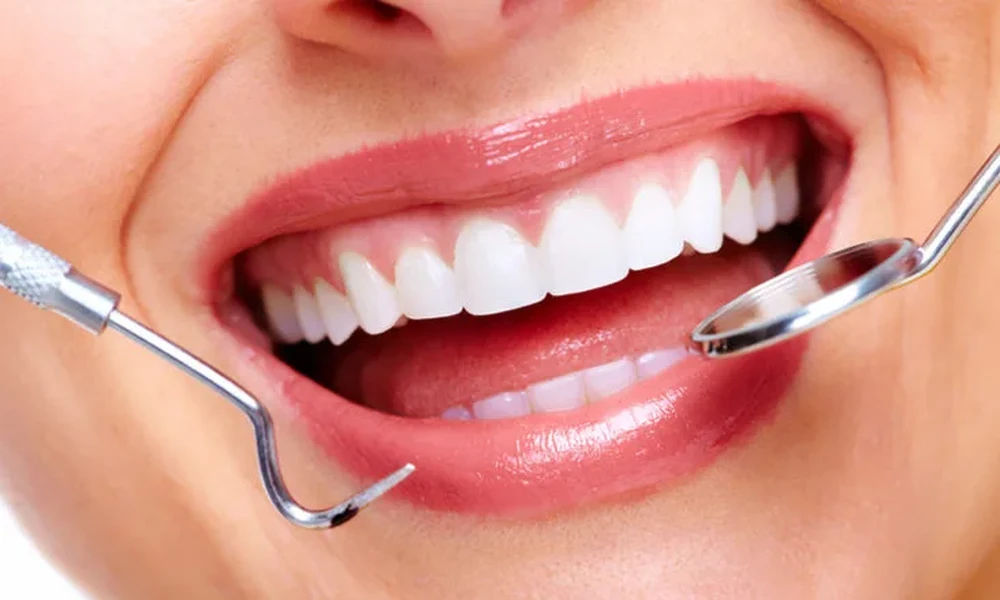
You catch your smile in a mirror or on a video call and your eye goes straight to the one thing that feels off. A stain that did not use to be there. A small chip on an edge tooth. An old filling that shows when you laugh. It is easy to jump from that moment to thinking you need veneers, bonding on several teeth, or a full smile makeover, but a dentist in Fontana, CA can help you understand that most people do not need that much work.
Sometimes a small, well planned fix gets you where you want to go. A minor cosmetic dental correction can improve how your teeth look without removing more tooth structure than needed, and that matters. The goal is not to do the most treatment. The goal is to do the right amount.
A conservative cosmetic dental touch up works best when the problem is small and specific
The first sign is that your concern is limited to one or two teeth, not your whole smile. If one front tooth has a tiny chip, one corner looks uneven, or one old filling has started to stand out, a focused repair may be enough. You do not need a major treatment plan just because one area bothers you every day.
This is where people often feel stuck. The flaw is small, but it draws all of your attention, so it starts to feel bigger than it is. That emotional part is real. A dentist can look at the shape, color, and position of the tooth and tell you whether simple contouring, bonding, whitening, or a filling replacement can blend the area back in.
The second sign is that your teeth are healthy overall. If your enamel is strong, your gums are stable, and there is no active decay, conservative treatment usually has more room to work. A subtle dental cosmetic repair is best when the foundation is solid. If there are deeper issues such as grinding, gum disease, or large fractures, the cosmetic fix may not last or may need to be delayed.
The third sign is that the problem is mostly color related. Surface stains, uneven shade, or discoloration from food, drinks, or age often respond well to whitening or a small update to an older restoration. The American Dental Association explains the basics of professional and at home teeth whitening, including what whitening can and cannot change. Natural teeth may lighten, but crowns and fillings do not. That difference is often why one tooth stands out after the others change over time.
The fourth sign is that your bite and tooth position are already close to where they should be. If your teeth line up well and you like your overall smile, small cosmetic treatment can refine what is already there. If a tooth is rotated, pushed back, or sits high in the gumline, a touch up may only mask the issue for a while.
Old fillings and small chips often need less treatment than you expect
People are often surprised by how much a worn filling can affect appearance. A filling that has darkened, chipped at the edge, or lost its polish can make the whole tooth look damaged. Replacing it with a newer tooth colored material can be enough to clean up the smile without changing the rest of the tooth. The National Institute of Dental and Craniofacial Research offers a helpful overview of dental filling materials and uses, which can help you understand why some older restorations look different over time.
A small chip can create the same kind of stress. It may not hurt, but your tongue finds it all day, and your eyes go to it in every photo. In many cases, smoothing the area or adding a little bonding restores the shape quickly. That is often enough when the tooth is not cracked deeply and the bite is not putting too much pressure on the edge.
Cosmetic dental touch up work should protect healthy tooth structure. If you are hearing a plan that feels much larger than the problem you described, it is reasonable to ask whether a more conservative option could work first.
Small cosmetic fixes and larger smile treatments solve different problems
| Concern | Conservative touch up may be enough | Larger treatment may be considered |
|---|---|---|
| Small chip on one front tooth | Bonding or reshaping if the tooth is healthy and bite forces are normal | Veneer or crown if the chip is large, repeated, or linked to a crack |
| One dark or worn filling shows when you smile | Replace the filling with tooth colored material | Crown if much of the tooth is missing or weak |
| General yellowing or surface stains | Professional whitening if enamel is healthy | Veneers if color change is deep and does not respond well |
| Slight uneven edges | Minor contouring or bonding | Orthodontic or restorative care if the bite is uneven |
This is where a family dentist can be especially helpful. You are not only looking at the cosmetic result. You also need someone to weigh comfort, function, cost, and how long the result is likely to last. A smaller fix is often less expensive up front, but it still has to fit your bite and habits, especially if you clench or grind.
Three smart steps can help you avoid overtreatment
Ask what problem is actually being treated. A good plan should be specific. Is the issue color, shape, an old filling, or a small fracture line? When the answer is clear, the treatment usually gets simpler.
Request the most conservative option first. If bonding, whitening, or replacing a visible filling can meet your goal, start there. You can always move to a larger treatment later if needed. You cannot put removed enamel back.
Talk about lifespan and maintenance. Every material ages. Ask how the repair may look in two, five, or ten years, and what habits could shorten its life. That matters more than a quick before and after photo.
A natural looking result often comes from doing less
If your smile concern is isolated, your teeth are healthy, and the problem is mainly a small chip, stain, or visible old filling, a conservative approach may be all you need. That can mean less drilling, lower cost, and a result that still looks like you.
You do not have to commit to a major cosmetic plan just because one tooth is bothering you. Start with a careful exam, ask direct questions, and look for the option that protects healthy tooth structure while improving the part that keeps catching your eye. The right family dentist should help you feel clear about that choice, not pressured by it.
