

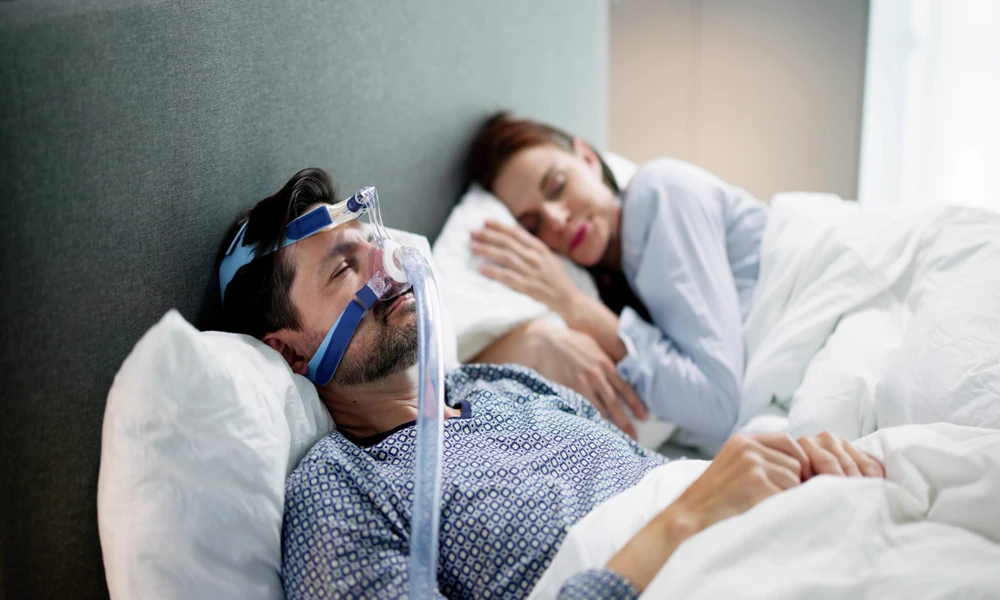
You may have started CPAP because you were exhausted, snoring, waking up with headaches, or hearing from a partner that your breathing stopped at night. Then another problem showed up. Your mouth feels dry in the morning, your jaw is sore, your teeth seem more sensitive, or your gums are getting irritated. That overlap is real, and it is often where a family dentist becomes part of the picture, especially if you are looking for a dentist in Whitchurch-Stouffville.
When a patient uses a CPAP machine, a family dentist looks at more than teeth alone. Mouth breathing, dry mouth, jaw position, gum health, bite changes, and wear from clenching can all affect comfort and long term oral health. If you use CPAP and your mouth feels different since starting treatment, you are not imagining it. A dental visit can help connect those dots and make the treatment easier to live with.
CPAP use can change the way your mouth feels and functions
CPAP helps keep your airway open during sleep, which is why it is a common treatment for obstructive sleep apnea. The National Heart, Lung, and Blood Institute offers a clear overview of CPAP therapy and how it supports breathing at night. The part many people do not expect is what happens inside the mouth after hours of airflow, mask pressure, or leak from the seal.
Dry mouth is one of the biggest concerns. Saliva protects enamel, helps control bacteria, and keeps soft tissues comfortable. When your mouth dries out night after night, cavities become more likely, gums may get inflamed, and bad breath can get worse. If you already had a history of decay or gum disease, CPAP related dryness can add to the problem fast.
Mask type also matters. A full face mask may work well for some people, but if it changes the way your jaw sits or puts pressure around the lips and cheeks, you may wake up with facial tenderness or a tired jaw. Nasal masks and nasal pillows can be easier on the mouth for some patients, but they may not work well if chronic congestion leads to mouth breathing. A family dentist often asks about mask fit because your oral symptoms do not happen in isolation.
There is also the issue of clenching and grinding. Some people tighten their jaw in sleep as they adjust to the mask or react to disrupted sleep. Others already grind their teeth and only notice it once the mouth becomes sore and dry from CPAP use. A dentist may see flattened tooth edges, small fractures, or muscle tenderness and realize the problem is not just the machine. It is the machine plus the way your bite and muscles respond to it.
Family dentists watch for oral side effects that patients often miss
Dental considerations for CPAP users often start with the basics. Is your mouth dry every morning. Are your gums bleeding more. Have you noticed sores where tissues rub against the lips or cheeks. Do you wake up with pressure in the jaw joints. These details help a dentist tell the difference between a simple comfort issue and a problem that can damage teeth over time.
A family dentist may also look at restorations. Crowns, bridges, veneers, and fillings can become more sensitive when dry mouth is present. If air leaks from the mask and blows directly across the teeth or gums, one area may become irritated over and over. Patients sometimes assume they need a new mask only, when the real answer includes both sleep equipment adjustment and dental protection.
Sleep apnea itself also matters. The medical review in the NCBI Bookshelf on obstructive sleep apnea explains how this condition affects overall health. Dentists keep that broader health picture in mind because oral signs can reflect a larger pattern. A crowded airway, worn teeth, scalloped tongue, and inflamed tissues can all be part of the same story.
Practical issues family dentists compare when a patient uses CPAP
| Issue | What You May Notice | What a Family Dentist Checks | Possible Next Step |
|---|---|---|---|
| Dry mouth | Sticky mouth, bad breath, morning discomfort | Cavity risk, gum irritation, saliva levels | Fluoride care, hydration advice, discuss humidification or mask leak with sleep team |
| Mouth breathing | Waking with open mouth, cracked lips | Tissue dryness, inflamed gums, decay pattern | Coordinate with physician about congestion and mask style |
| Jaw soreness | Facial fatigue, clicking, morning tightness | Bite alignment, TMJ tenderness, muscle strain | Night guard evaluation or jaw habit management |
| Teeth grinding | Tooth sensitivity, worn edges, headaches | Enamel wear, fractures, muscle tension | Protective appliance if appropriate |
| Mask related irritation | Sore spots near lips or cheeks | Soft tissue trauma, repeated pressure areas | Review fit concerns with CPAP provider |
This is why what dentists consider with CPAP patients goes beyond a quick look for cavities. They are trying to see how sleep treatment, airway issues, and oral health interact in daily life. If your CPAP is helping your sleep but hurting your mouth, the goal is not to choose one or the other. The goal is to make both work.
Small adjustments can protect your teeth and make CPAP easier to tolerate
Patients often push through discomfort because they know CPAP matters. The National Heart, Lung, and Blood Institute also shares practical advice for living with sleep apnea, including ways to stay consistent with treatment. That consistency is easier when your mouth does not hurt every morning.
A family dentist may suggest prescription fluoride, more frequent cleanings, saliva support products, or a review of brushing habits if dry mouth is severe. If clenching is part of the problem, a custom appliance may help, though it must be planned carefully around your sleep treatment. If jaw position is the issue, a dentist may coordinate with your physician or sleep specialist instead of guessing. That kind of teamwork often saves time, money, and frustration.
Three steps you can take right away
Track your morning symptoms. Write down dry mouth, jaw soreness, headaches, gum bleeding, or tooth sensitivity for one week. Patterns matter. If symptoms happen only with certain masks or after poor sleep, that gives your dentist useful detail.
Bring your CPAP details to your dental visit. Know the mask type you use, how long you have used it, and whether you wake with leaks or open mouth breathing. A family dentist can make better recommendations when they know how your treatment works at night.
Ask for a dry mouth and bite evaluation. Do not settle for a quick cleaning if your mouth has changed since starting CPAP. Ask your dentist to check saliva related cavity risk, gum irritation, enamel wear, and jaw tension.
Support for your sleep and oral health can happen at the same time
Using CPAP already asks a lot of you. If it is helping your breathing but creating new dental problems, that does not mean you are doing anything wrong. It means your care needs a closer look. A family dentist can help spot the side effects, protect your teeth and gums, and work with your larger treatment plan so sleep therapy is easier to keep using.
If your mouth has felt different since starting CPAP, schedule a dental checkup and bring those symptoms up clearly. Relief often starts with a conversation and a few targeted changes.
