

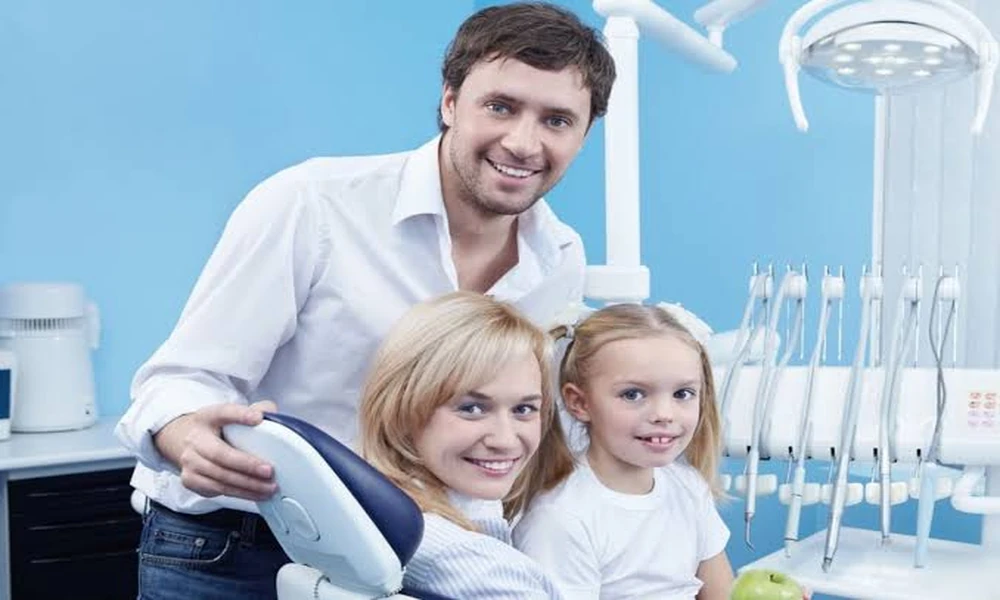
You already have enough calendars to manage. School forms, sports schedules, work meetings, sick days, prescription refills, birthday parties. Adding separate dental offices for every person in your home can turn routine care into one more thing that slips through the cracks. That is usually how it starts. One child is due for a cleaning, another needs sealants, you have been putting off your own exam, and suddenly no one is on the same schedule. In the middle of it all, many families also want to discover clear aligners for a straighter smile in Barrie while keeping everyone’s dental care organized in one place.
That is why choosing a family dentist often feels less like a luxury and more like a practical fix. When one office can care for children, teens, adults, and older family members, your household gets more than convenience. You get continuity, fewer missed visits, and a clearer picture of everyone’s oral health in one place.
A family dentist reduces the everyday friction of dental care
Most families do not avoid dental care because they do not care. They avoid it because life gets crowded. If your child sees one provider, your teenager sees another, and you visit a separate general practice, every appointment means different paperwork, different insurance conversations, and different office routines. That friction adds up fast.
A family dentist removes a lot of that strain. You can often book back to back appointments, keep records in one office, and build a relationship with a team that knows your family history. If one child is anxious in the chair, the staff already understands that. If gum disease runs in your family, that pattern is easier to spot and monitor. If you need a reminder that your own care matters too, a shared practice makes that harder to ignore.
This is the real value behind family dental care. It supports habits. It keeps preventive visits from becoming emergencies. It helps children grow up seeing dental care as a normal part of life instead of something stressful or rare.
One dental home makes prevention easier for children and adults
Prevention works best when it is steady. A child needs one kind of guidance at age five, another at age twelve, and another once braces, sports guards, or wisdom teeth become part of the picture. Adults need regular cleanings, decay checks, gum care, and sometimes help reversing years of delayed treatment. A single office that follows your household through those stages can catch changes earlier.
The science behind that is simple. Routine brushing, flossing, fluoride, and regular checkups lower the risk of cavities and gum disease. The National Institute of Dental and Craniofacial Research offers clear oral hygiene guidance for daily care at home. The CDC also shares practical oral health tips for children and oral health tips for adults. A family practice can turn those general recommendations into a plan that actually fits your home.
That matters because needs do not stay separate for long. A child with frequent cavities may need a close look at snacks, fluoride exposure, and brushing technique. A parent with bleeding gums may need periodontal care and a better home routine. When one provider sees those patterns across the household, advice becomes more personal and easier to apply.
A family dental practice can lower hidden costs
Many people hear “convenience” and think only about time. Time matters, but money does too. Missed preventive care often leads to larger treatment later. A delayed filling becomes a crown. Untreated gum inflammation turns into deeper periodontal work. A child who skips regular exams may end up with pain that needs urgent treatment during school or travel.
A family dental practice can help reduce those avoidable costs because recall systems are simpler, communication is clearer, and appointments are easier to keep. You are not trying to remember three offices and three timelines. You are managing one relationship.
There is also a less obvious benefit. Children often do better when they see parents treating dental visits as routine. If they watch you go in for your cleaning while they wait for theirs, fear tends to lose some of its power. That can save money and stress later when anxiety would otherwise delay care.
| Care Setup | Common Experience | Likely Impact on Your Household |
| Different dentists for each age group | Separate records, separate scheduling, repeated insurance questions | More missed appointments, more time off work or school, less continuity |
| One family dentist for most or all household members | Shared scheduling, one office team, clearer treatment history | Better follow through, easier prevention, less administrative stress |
| Irregular, as needed dental visits | Care happens after pain or obvious problems start | Higher chance of urgent treatment, larger bills, more fear around visits |
Comparing scattered dental care with one family dentist
Simple steps can make the switch easier
1. Map out your household’s real dental needs. Write down who needs routine cleanings, who has treatment pending, who feels anxious, and who has not been seen in over a year. This gives you a clear picture before you call any office.
2. Ask practical questions before booking. Find out whether the practice sees both children and adults, whether they offer grouped appointments, and how they handle preventive care, emergencies, and anxious patients. A good fit is not only about credentials. It is about whether the office can support the way your family actually lives.
3. Build one shared prevention routine at home. Keep toothbrushes, fluoride toothpaste, and floss where everyone can reach them. Set the same brushing times for younger kids and use reminders for teens and adults who tend to rush. Good home care works best when it feels normal, not optional.
Choosing a family dentist supports steadier care over time
You do not need a perfect system. You need one that your household can keep using when life gets busy. That is the strongest reason behind choosing a family dentist. It simplifies scheduling, supports prevention, and helps each person in your home stay connected to care without so much friction.
If your current setup feels scattered, a family dental office may be the reset your routine needs. Start with one appointment, one conversation, and one plan your whole household can follow.
